
Understanding cloud hosting advantages
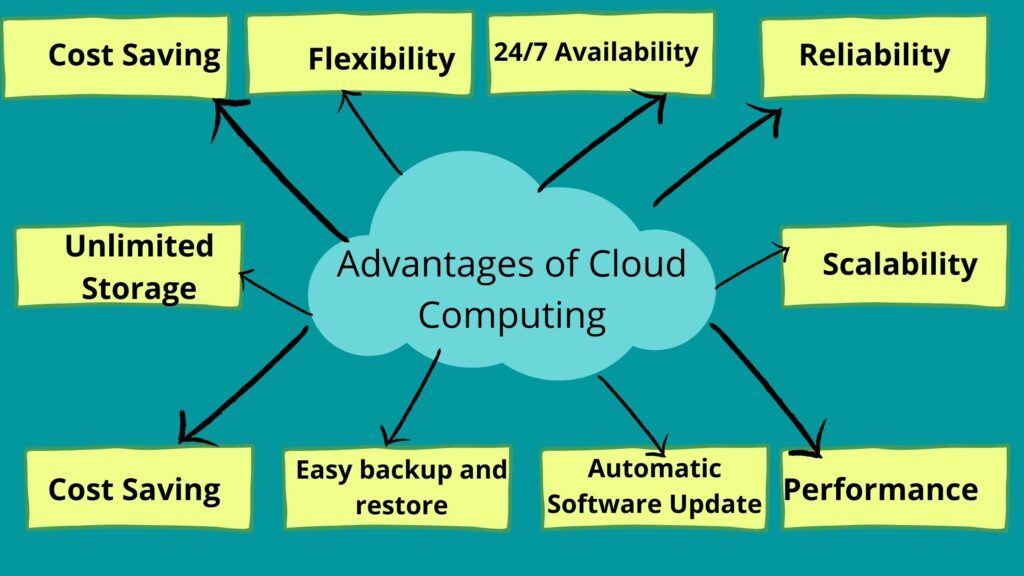
Ever had that moment when your website suddenly crashes during a big online sale, and you're left scrambling like a chef who's just dropped the main course? Yeah, me too—that's why I dove into the world of cloud hosting and never looked back. It's not just another tech buzzword; it's like upgrading from a beat-up old bike to a sleek electric scooter that zips through traffic. Today, we're unpacking the advantages of cloud hosting, but let's tie it back to the bigger picture of hosting types, because understanding the options is key to picking the right one for your needs.
Cloud hosting stands out as a flexible powerhouse among the various types of hosting, offering scalability and reliability that feel almost magical in our fast-paced digital world. If you're curious about why it's become the go-to for many businesses, it's because it spreads your data across multiple servers, avoiding the single-point failures that plague shared or dedicated hosting setups. In essence, cloud hosting acts like a safety net woven from the clouds themselves, catching you before you fall.
Let's get straight to the heart of it: one of the biggest perks of cloud hosting is its scalability on demand. Unlike traditional shared hosting, where you're stuck with limited resources, cloud setups let you ramp up power as needed—like calling in reinforcements during a video game boss fight. I remember when I first switched; my site handled a sudden traffic spike from a viral social media post without breaking a sweat. That's the beauty of it—pay only for what you use, making it cost-effective for growing ventures. But to really grasp this, we need to zoom out and look at the landscape of hosting types.
Hosting isn't a one-size-fits-all deal; it's more like choosing the right tool for a job. You've got shared hosting, which is super affordable but feels crowded, like sharing a tiny apartment with roommates who hog the bandwidth. Then there's VPS hosting, offering more control but still requiring manual tweaks, almost like renting a house where you're the landlord. Dedicated hosting locks you into a single server, which can be overkill for smaller sites, reminiscent of owning a whole building when you only need one room. And finally, cloud hosting emerges as the modern hero, blending the best bits with its distributed architecture. It's not just about advantages; it's about how it adapts to real-life scenarios, like memes that evolve with internet culture.
Essential guide to managed hostingWhy Scalability Makes Cloud Hosting a Game-Changer
Picture this: you're running an e-commerce site, and Black Friday hits harder than expected. With cloud hosting, you don't have to worry about upgrading hardware in a panic; resources scale automatically, ensuring smooth operation. This flexibility is a stark contrast to the rigidity of other hosting types. For instance, shared hosting might cap your abilities, leading to downtime, while cloud's elastic nature keeps everything flowing. It's like having a rubber band that stretches just when you need it, without snapping.
From a cost perspective, cloud hosting shines by eliminating wasted resources. You avoid the upfront costs of dedicated servers, paying only for actual usage—think of it as a subscription service for your website's energy needs. This model has gained traction, especially with remote work trends, where businesses need reliable access without hefty investments. According to industry insights, cloud adoption has surged because it aligns with our on-demand culture, much like streaming services that let you binge-watch without owning DVDs.
Security and Reliability: The Unsung Heroes
One thing that always keeps me up at night is data security, and cloud hosting addresses that with robust measures built-in. Multiple servers mean if one goes down, others pick up the slack—far superior to the vulnerabilities in shared environments. It's like having a team of bodyguards instead of relying on a single lock. Providers often include automatic backups and encryption, reducing the risk of breaches that could devastate a business.
Comparatively, when we talk about types of hosting, dedicated options might offer isolation, but they demand more hands-on management, which isn't ideal for everyone. Cloud hosting, on the other hand, automates much of this, making it accessible even for non-techies. I once heard a story from a friend who runs a blog; he switched to cloud and watched his site's uptime soar from 95% to nearly 100%, thanks to redundant systems. It's these practical wins that make cloud not just another type, but a superior choice for many.
Top WordPress hosting recommendationsComparing Cloud to Other Hosting Flavors
If we line up the hosting types side by side, cloud hosting often comes out ahead in versatility. Shared hosting is great for beginners on a budget, but it lacks the power for high-traffic sites. VPS strikes a middle ground with virtualized resources, yet it doesn't match cloud's seamless scaling. Dedicated hosting? It's like driving a tank when a sports car would do—powerful but inefficient for most. Cloud, inspired by the ever-changing sky, adapts effortlessly, integrating with tools like AI for predictive scaling. This comparison isn't just theoretical; it's about real-world efficiency that saves time and money.
In a fun twist, think of hosting types as different coffee brews: shared is instant coffee—quick and cheap but not always satisfying; VPS is a French press, requiring some effort for better results; dedicated is that fancy espresso machine, impressive but maintenance-heavy; and cloud is a high-tech pod system, delivering perfection with minimal fuss. Whichever you choose, understanding these nuances can transform your online presence.
A Quick Dive into Real User Benefits
For those dipping their toes into hosting, the advantages of cloud extend to global accessibility. With data centers worldwide, your site loads faster for international users, boosting SEO and user experience. It's like having a passport that lets your website travel without borders, a nod to our interconnected digital age.
Here's a simple table to break it down visually:
Comparing shared and cloud options| Hosting Type | Key Advantage | Best For |
|---|---|---|
| Shared Hosting | Affordable and easy to start | Small blogs or personal sites |
| VPS Hosting | More control and resources | Growing e-commerce or apps |
| Dedicated Hosting | Full server access | Large enterprises with high traffic |
| Cloud Hosting | Scalable and reliable | Dynamic businesses needing flexibility |
Cloud hosting's advantages boil down to this: it empowers you to focus on your passion, not the tech headaches. In about 50 words, cloud hosting offers unparalleled scalability, cost efficiency, and security by distributing resources across servers, making it ideal for businesses that need to grow without downtime or overpaying—unlike rigid traditional hosting types.
Wrapping Up with a Thought
As we navigate the hosting jungle, remember that cloud isn't just about tech; it's about freeing your mind for bigger dreams. What's your next move—exploring a cloud setup or sticking with the familiar? Either way, here's to smoother online adventures. And for those lingering questions...
FAQ
Is cloud hosting more expensive than shared hosting? Not necessarily; you pay for what you use, so for scalable needs, it's often cheaper long-term, avoiding unused resources in fixed plans.
How does cloud hosting handle data security? It uses distributed servers with built-in encryption and backups, providing better protection than many other types, though always choose a reputable provider.
Benefits of dedicated server hostingCan I switch from another hosting type to cloud easily? Yes, most providers offer migration tools, but it's wise to plan ahead to minimize downtime during the transition.
Si quieres conocer otros artículos parecidos a Understanding cloud hosting advantages puedes visitar la categoría Types of Hosting.
Entradas Relacionadas