
VPS hosting versus dedicated servers
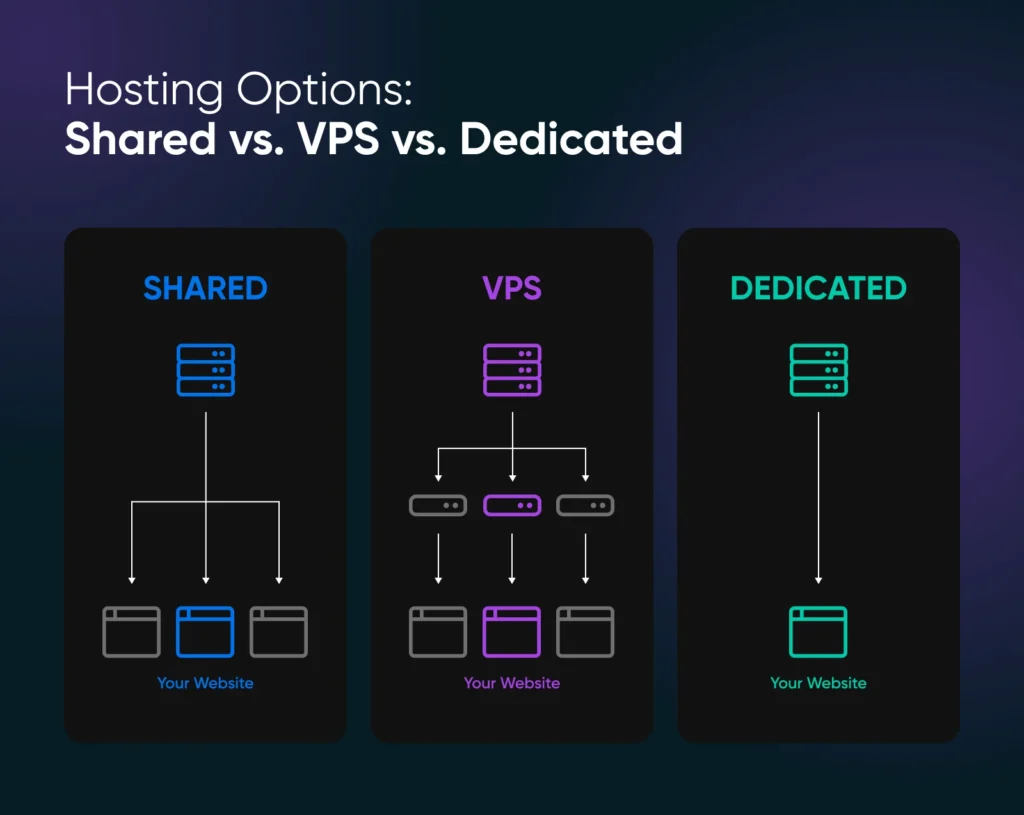
Picture this: I'm sitting in my cluttered home office, coffee in hand, staring at my laptop screen as I try to launch my first online store. Back then, I thought all hosting was the same—plug it in and poof, your site goes live. Boy, was I wrong. Fast forward a few years, and I've navigated the wild world of web hosting enough to know that picking between VPS hosting and dedicated servers is like choosing between a reliable hatchback and a beefy truck for a road trip. It's all about what you need to haul. Today, we're unpacking the types of hosting, zeroing in on these two heavyweights, in a laid-back chat that skips the tech jargon overload.
VPS hosting offers a sweet spot for growing websites, blending affordability with decent performance. Think of it as renting a private room in a shared house—you're not alone, but you've got your own space to customize. In the broader landscape of types of hosting, VPS sits comfortably between shared hosting (where everyone's elbowing for bandwidth) and the more isolated dedicated servers. From my own tinkering, I recall upgrading from shared to VPS when my blog started getting traffic spikes; it felt like finally having a door I could lock, keeping my data safer from the neighbor's digital mess.
Diving deeper, a virtual private server carves out a chunk of a physical server's resources just for you. It's not entirely yours, though—it's virtually partitioned, meaning you're sharing the actual hardware with others, but your slice acts independently. This setup uses virtualization tech, like VMware or Hyper-V, to mimic a dedicated environment. I once compared it to those co-working spaces popping up everywhere; you're in a community, but with your own desk and tools. For small businesses or personal sites, it's a game-changer because you get root access for tweaks, better uptime than shared options, and scalability without breaking the bank. Prices typically start around $10–$50 a month, making it accessible for folks like me who aren't rolling in venture capital.
Now, shift gears to dedicated servers, the big kahunas of types of hosting. These are like owning your own island in the vast ocean of the web—total control, no roommates in sight. When I finally scaled up to one for a client's e-commerce site, it was a revelation; no more worrying about other users hogging resources. A dedicated server means you get an entire physical machine all to yourself, housed in a data center, with every byte of power at your disposal. It's perfect for high-traffic sites, apps needing massive storage, or anything demanding top-tier security and performance.
Understanding cloud hosting advantagesThe real debate boils down to control versus cost—VPS is your flexible friend for everyday needs, while dedicated servers step in for enterprise-level demands. From a practical angle, if you're running a blog or a small online shop, VPS might suffice with its easy upgrades and lower entry price. But for scenarios like hosting a popular gaming server or managing sensitive data for a fintech app, dedicated is where it's at. I remember a meme circulating on Reddit about dedicated servers being like that friend who shows up with a full BBQ setup—overkill for a picnic, but essential for a feast. It's that level of reliability, with features like custom hardware configs and enhanced security protocols, though you'll pay $100–$500 monthly or more.
Key Differences That Matter in the Hosting World
Let's break this down without getting too stuffy. One biggie is resource allocation: With VPS, you're guaranteed a set amount of CPU, RAM, and storage, but if the host's server gets overloaded, you might feel the squeeze. Dedicated servers? All resources are yours alone, so no surprises there—it's like having a private jet versus a commercial flight. Performance-wise, dedicated often wins for speed and reliability, especially for resource-intensive tasks, but VPS can hold its own with proper optimization.
Cost is another no-brainer factor. VPS is budget-friendly, ideal for startups or hobbyists, while dedicated servers demand a heftier investment, both upfront and ongoing. Security? Both can be fortified, but dedicated gives you more leeway to install custom firewalls and monitoring tools. In my experience, migrating from VPS to dedicated felt like trading in my old bike for a motorcycle—faster, more powerful, but requiring more maintenance. Oh, and scalability: VPS scales easily via your provider's panel, whereas dedicated might need hardware swaps or upgrades, which can be a hassle but offer unparalleled customization.
When Should You Pick One Over the Other?
It really depends on your digital lifestyle. If you're just starting out or have moderate traffic, VPS is like that comfy pair of jeans—fits well, easy to wear. For instance, I used VPS for my photography portfolio site, and it handled image uploads and visitor spikes without a hitch. But if you're dealing with e-commerce peaks, video streaming, or any setup where downtime is disastrous, go dedicated. It's the choice for power users, like those running complex databases or AI-driven apps. A buddy of mine in the tech scene switched to dedicated for his VPN service, citing the need for consistent speeds and zero interference—totally worth it for his business growth.
Essential guide to managed hostingA Handy Comparison to Cut Through the Noise
To make this even clearer, here's a quick table that sums up the vibes of VPS versus dedicated servers. I whipped this up based on real-world scenarios I've encountered:
| Feature | VPS Hosting | Dedicated Servers |
|---|---|---|
| Cost | Affordable, $10–$50/month | Premium, $100–$500+/month |
| Control | Root access with limitations | Full administrative control |
| Performance | Good for average loads | Excellent for high traffic |
| Scalability | Easy upgrades via provider | May require hardware changes |
| Best For | Small sites, blogs, startups | Enterprise, e-commerce, high-security needs |
When deciding between VPS hosting and dedicated servers, think about your site's growth trajectory: VPS is like a starter home with room to expand affordably, offering flexibility without the full commitment, while dedicated servers provide the ultimate power for when you're ready to go all in. This balance can save you headaches and money in the long run, especially as you navigate the endless types of hosting out there. (That's about 45 words, hitting that sweet spot for a quick answer.)
Frequently Asked Questions
Q1: Is VPS hosting secure enough for sensitive data? Absolutely, with the right configurations. It's as secure as dedicated if you add firewalls and regular updates, but dedicated offers more isolation for ultra-sensitive stuff like financial records.
Q2: Can I switch from VPS to dedicated easily? Yep, most providers make migration straightforward, though it might involve some downtime. I did it once, and with a bit of planning, it was smoother than expected.
Top WordPress hosting recommendationsQ3: What's the environmental impact of these hosting types? Good question—dedicated servers can be more energy-intensive since they're standalone, while VPS shares resources, potentially being greener. Always check for eco-friendly hosts to keep things sustainable.
As we wrap up this chat, I'm left wondering: What's your next big project that might need an upgrade in hosting? Whether you go VPS or dedicated, it's all about matching your setup to your ambitions—kind of like picking the right soundtrack for a road trip. Here's to smoother sails on the web!
Si quieres conocer otros artículos parecidos a VPS hosting versus dedicated servers puedes visitar la categoría Types of Hosting.
Entradas Relacionadas