
Benefits of dedicated server hosting
Picture this: You're running a small online store, and suddenly, your website crashes during a big sale because your shared hosting plan is juggling a dozen other sites like a circus act gone wrong. That's the moment I realized the power of dedicated server hosting—it's like upgrading from a shared apartment to your own private villa. But let's not get ahead; we're diving into the world of hosting types, with a spotlight on why dedicated servers stand out. If you're exploring options for your website, understanding the benefits of dedicated server hosting can make all the difference in keeping things smooth and reliable.
The benefits of dedicated server hosting boil down to giving you full control and top-tier performance, especially when compared to other hosting types. Imagine having a server that's all yours—no neighbors hogging the bandwidth or causing slowdowns. This setup is perfect for businesses that need unwavering speed and security, allowing you to scale without the usual headaches. In essence, it's about transforming your online presence from just okay to exceptionally efficient, which is why so many pros swear by it for high-traffic sites.
Hosting isn't one-size-fits-all; it's more like choosing the right pair of shoes for a hike versus a jog. There are several types out there, each with its perks depending on your needs. Shared hosting is the budget-friendly entry point, where multiple websites share resources on one server—think of it as a communal table at a busy café. It's great for beginners or small blogs, but it can get crowded fast. Then there's VPS (Virtual Private Server) hosting, which partitions a server into virtual slices, giving you more control than shared but still sharing the underlying hardware. Cloud hosting offers flexibility by distributing resources across a network, ideal for fluctuating traffic.
And that's where dedicated server hosting enters the scene, like the reliable friend who always has your back. With this option, you get an entire server dedicated solely to your website or applications. No sharing means no surprises from other users' activities spiking your costs or slowing you down. It's a step up for e-commerce sites, gaming servers, or any operation that demands consistent power. While it might seem like overkill for a personal blog, the benefits shine through when you're dealing with sensitive data or high volumes of traffic.
Common myths about web hostingWhy Dedicated Servers Deliver Real Advantages
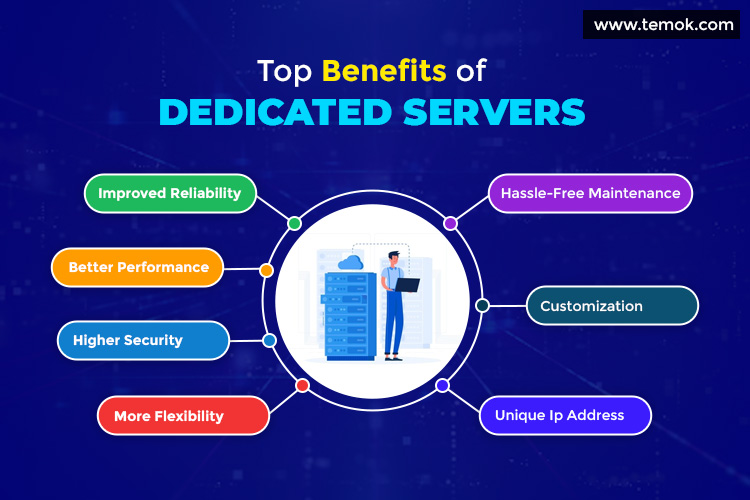
Let's talk straight—one of the biggest benefits of dedicated server hosting is performance. You're not contending with others for CPU, RAM, or storage, so your site loads faster and handles more visitors without breaking a sweat. I remember tweaking a client's site on shared hosting; it was like trying to run a marathon in flip-flops. Switching to dedicated felt like slipping on high-performance sneakers—suddenly, everything clicked. Plus, enhanced security is a game-changer; you can install custom firewalls and monitoring tools, reducing risks of breaches that are more common in shared environments.
Customization is another perk that keeps things exciting. With dedicated servers, you're the boss—install any software, configure settings to your heart's content, and even choose the hardware specs. It's like building your dream car from scratch. Compared to the limitations of shared or VPS hosting, this freedom lets you optimize for specific needs, whether it's for a data-heavy application or round-the-clock uptime. And don't overlook scalability; as your business grows, you can upgrade components without migrating to a new setup, saving time and money in the long run.
A Quick Comparison: Dedicated vs. Other Hosting Types
To really grasp the benefits, let's lay it out in a simple table. This isn't about overwhelming you with tech jargon; it's just a relaxed way to see how dedicated hosting stacks up against the rest.
| Hosting Type | Performance & Control | Cost | Best For |
|---|---|---|---|
| Shared Hosting | Basic; shared resources can lead to slowdowns | Affordable, starting low | Small sites or beginners |
| VPS Hosting | More control with virtual partitioning; still shares hardware | Moderate, based on resources | Growing sites needing flexibility |
| Cloud Hosting | Highly scalable across networks; pay for what you use | Variable, often on-demand | Businesses with variable traffic |
| Dedicated Server Hosting | Full control and superior performance; entire server for you | Higher, but justified for power users | High-traffic or security-focused operations |
As you can see, dedicated servers win in scenarios where reliability is non-negotiable. It's not just about the tech; it's about peace of mind, like knowing your site won't crumble during peak hours. Of course, if you're just starting out, shared hosting might be your jam, but as things ramp up, the benefits of dedicated hosting become crystal clear.
Strategies for affordable hosting plansWhen to Make the Switch to Dedicated Hosting
So, how do you know if dedicated server hosting is your next move? It's all about your goals and current setup. If your site is outgrowing its shared or VPS confines—maybe you're seeing errors, slow response times, or security alerts—it's time to level up. Think of it as evolving from a startup phase to a established business; the benefits include not just better speed and security, but also the ability to handle complex tasks like big data processing or custom applications without a hitch.
In a world buzzing with memes about tech fails—like that viral video of a website crashing mid-live stream—having a dedicated server means you're less likely to be the punchline. It's about being proactive, ensuring your online venture runs like a well-oiled machine, ready for whatever comes next.
Wrapping Up with a Thoughtful Nudge
As we wrap this up, imagine unlocking that extra layer of confidence for your digital projects—it's what dedicated server hosting offers in spades. Whether you're a budding entrepreneur or a seasoned web pro, weighing the types of hosting against your needs can spark real growth. What if you took a moment to audit your current setup and see if it's holding you back? That simple step could open doors to smoother operations and bigger opportunities ahead.
FAQ Section
Steps to select the perfect hostingQ: What's the main difference between dedicated and shared hosting? A: Dedicated hosting gives you an entire server to yourself, offering better performance and customization, while shared hosting means splitting resources with others, which is cheaper but can lead to slower speeds during high traffic.
Q: Is dedicated server hosting worth the extra cost? A: Absolutely, if your site demands high reliability, security, and control—like for e-commerce or enterprise apps. It's an investment that pays off in reduced downtime and scalability.
Q: Can I manage dedicated hosting myself? A: Many providers offer managed options, but if you're tech-savvy, you can handle it for full control. It's like choosing to DIY a project versus hiring help—it depends on your comfort level and time.
Ideas for scalable web hostingSi quieres conocer otros artículos parecidos a Benefits of dedicated server hosting puedes visitar la categoría Types of Hosting.
Entradas Relacionadas