
Selecting hosting based on website needs
Ever had that moment when you're building a website and suddenly realize it's like picking the right pair of shoes for a hike? You wouldn't wear flip-flops on a mountain trail, right? Well, choosing hosting is a lot like that—it's all about matching what your site needs to avoid blisters down the road. I'm no stranger to this; a couple of years back, I launched a simple blog and went with the cheapest option, only to watch it crawl during traffic spikes. Lesson learned: get the fit right from the start.
If you're wondering how to select hosting based on your website's needs, it's about assessing traffic, content type, and growth plans, then picking from options like shared, VPS, or cloud hosting. For instance, a small personal site might thrive on shared hosting for its affordability, while an e-commerce powerhouse demands the power of dedicated servers to handle transactions smoothly. This approach ensures reliability, speed, and scalability without overpaying—typically saving you headaches and costs in the long run.
Getting Cozy with Your Website's Demands
Let's kick back and think about this: every website has its own personality, just like us. Is yours a chill photo gallery that barely gets visitors, or a buzzing online store with carts flying left and right? Start by jotting down what matters—expected visitor numbers, the kind of data you're dealing with, and if you need fancy features like SSL for security. I remember tweaking my site and realizing shared hosting was perfect for low-traffic days, but it buckled under peaks. It's like wearing sneakers for a jog; they work until you hit the marathon.
Dive deeper, and you'll see that website needs aren't just about size. Consider security—do you handle sensitive info? Or maybe uptime is your jam, ensuring your site doesn't vanish like a ghost during sales. Tools like Google Analytics can give you a heads-up on traffic patterns, making this step feel less like guesswork and more like a friendly chat with your site's future self.
The impact of hosting on SEO performanceDiving into the Hosting Playground
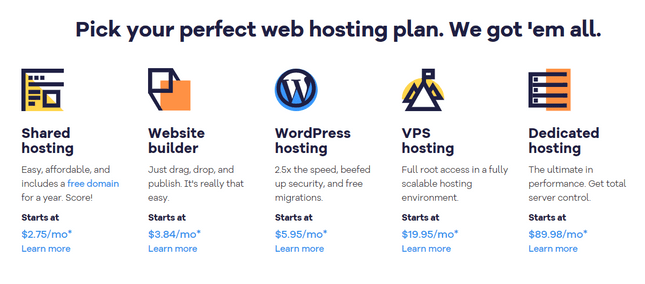
Alright, let's unpack the main types of hosting. It's a bit like choosing ice cream flavors—each has its perks, and you pick based on your craving. First up, shared hosting: imagine a big apartment building where your site shares resources with neighbors. It's budget-friendly, ideal for beginners or small sites, but if your neighbors throw a party (high traffic), yours might crash. That's what happened to my blog initially—fun until it wasn't.
Then there's VPS hosting, like having your own room in that building. You get more control and resources, making it great for growing sites that need reliability without the full commitment. For e-commerce or forums, this is often the sweet spot. On the flip side, dedicated hosting is your private mansion—everything's yours, perfect for high-traffic beasts like news portals, but it comes with a heftier price tag. And don't forget cloud hosting, which is like renting from a tech wizard; it's scalable, pay-as-you-go, and handles spikes like a pro, drawing from a network of servers.
To sprinkle some real-world magic, think about how a meme page on social media might start with shared hosting but switch to cloud as it goes viral—nobody wants their laughs interrupted by downtime. It's all about that flexibility, blending tech with everyday vibes.
A Quick Showdown: Hosting Face-Off
Picture this as a casual comparison over coffee. Here's a simple table to pit these hosting types against each other, so you can see at a glance what's what:
Exploring free versus paid hosting| Type | Best For | Pros | Cons | Cost |
|---|---|---|---|---|
| Shared Hosting | Blogs, small portfolios | Affordable, easy setup | Shared resources, potential slowdowns | Low |
| VPS Hosting | Growing e-commerce, apps | More control, better performance | Requires tech know-how, medium cost | Medium |
| Dedicated Hosting | High-traffic sites, enterprises | Full resources, top security | Expensive, maintenance needed | High |
| Cloud Hosting | Scalable projects, startups | Flexible, reliable, auto-scale | Can be complex, variable pricing | Variable |
This isn't just numbers; it's about finding your match. For instance, if you're running a site with unpredictable traffic, like a seasonal store, cloud hosting wins for its adaptability—think of it as weather-proof gear for your digital adventure.
Tips to Nail Your Hosting Pick
Now, how do you actually go about selecting hosting based on website needs? Let's keep it light. First, match your site's scale: if it's a hobby project, stick with shared to keep things simple and cheap. But for something bigger, like an online course platform, opt for VPS or dedicated to avoid crashes during live sessions—trust me, nothing kills excitement like a buffering video.
Don't forget to peek at reviews and trial periods; it's like test-driving a car. And if tech isn't your thing, many providers offer managed services, taking the wheel so you can focus on content. A fun tip: imagine your site as a plant—shared is a windowsill pot, while dedicated is a full garden. Water it right, and it'll bloom.
Wrapping Up with a Thought
As we ease out of this chat, picture yourself scrolling through options and feeling that click—yeah, that's the one. So, what's your next move: diving into comparisons or testing a free trial? Either way, picking the right hosting isn't just smart; it's like giving your website a cozy home it deserves.
Advanced strategies for enterprise hostingFAQs
What's the difference between shared and VPS hosting? Shared hosting shares server resources among many sites, making it cheaper but less reliable, while VPS gives you a virtual slice of a server for more control and performance—great if your site is outgrowing basics.
Is cloud hosting worth it for beginners? Absolutely, if you expect growth; it's scalable and flexible, but might feel overwhelming at first due to its pay-per-use model—start small to get the hang of it without breaking the bank.
How do I know if I need dedicated hosting? If your site handles heavy traffic, sensitive data, or custom setups, dedicated is your go-to for ultimate power, though it's pricier and requires more management.
Future trends in web hosting typesSi quieres conocer otros artículos parecidos a Selecting hosting based on website needs puedes visitar la categoría Types of Hosting.
Entradas Relacionadas