
The rise of green web hosting
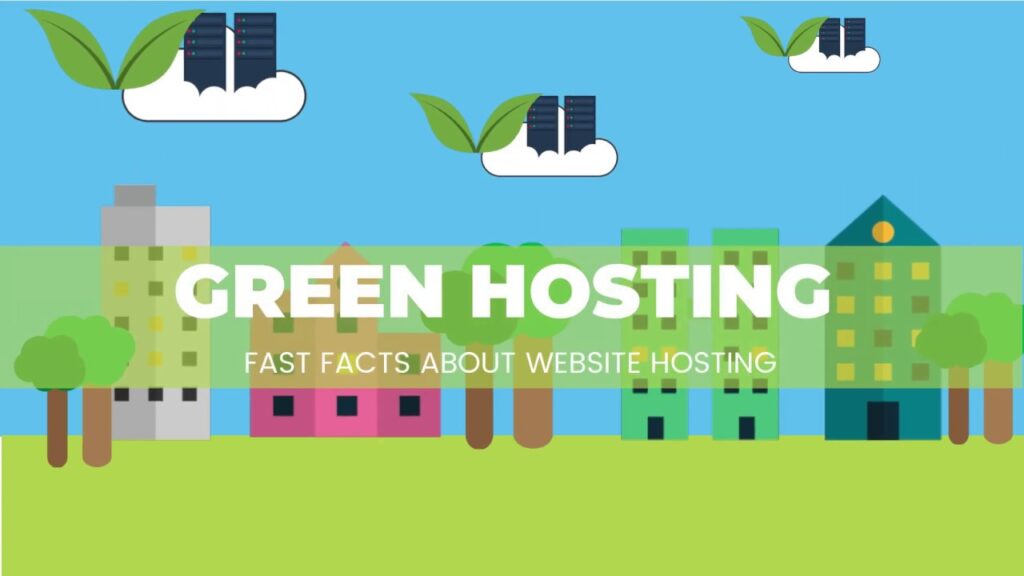
Ever noticed how your morning coffee now comes in eco-friendly cups, and even your favorite sneakers brag about being made from recycled materials? Well, the web world is catching up too. I'm chatting about green web hosting, this fresh wave that's turning the digital scene from energy-guzzling giants into something a bit more planet-friendly. As someone who's juggled a few websites myself, I've seen how hosting choices can sneak into our daily lives, affecting not just our sites' speed but the big blue marble we all share.
Picture this: back in the day, web hosting was all about cramming as many sites as possible onto a server, like stuffing a clown car. But with climate change knocking on our doors, green hosting has risen like a phoenix from the ashes of old tech habits. It's not just a trend; it's a movement. The rise of green web hosting means providers are now focusing on renewable energy sources, efficient data centers, and carbon-neutral operations to power our online spaces. This shift is reshaping the entire landscape of hosting types, making sustainability a key player in what was once a purely technical game.
Let's dive into the various types of hosting out there, because understanding them is like picking the right tool for a job—it makes all the difference. First off, there's shared hosting, the budget-friendly option where multiple websites share server resources. It's like renting a room in a bustling hostel; everyone chips in for the utilities, but if your neighbor's party goes late, your sleep (or site speed) might suffer. Then we have VPS hosting, which is more like having your own apartment in a building— you've got dedicated resources, but you're still on the same grid as others. It's a step up for growing sites that need more control without breaking the bank.
Now, dedicated hosting is the penthouse suite of the hosting world. You get an entire server all to yourself, which is perfect for high-traffic sites or businesses handling sensitive data. No sharing means top-notch performance, but it's pricier and requires some tech-savvy management. On the flip side, cloud hosting is like that flexible co-working space everyone's raving about—scalable, reliable, and spread across multiple servers so if one goes down, others pick up the slack. It's super adaptable for fluctuating needs, like an online store during holiday rushes.
Navigating colocation hosting optionsAnd here's where it gets exciting: green web hosting isn't a separate type per se, but rather a sustainable twist on these options. Providers like GreenGeeks or DreamHost are powering their servers with wind or solar energy, offsetting carbon footprints, and even planting trees for every site hosted. Imagine choosing a VPS plan that's not only fast but also runs on clean energy—it's like upgrading to an electric car for your website. This rise is fueled by growing awareness; a quick scroll through social media shows folks demanding eco-friendly choices, from influencers to big corporations. I remember reading about a meme where a server farm was jokingly compared to a vampire sucking the planet's juice—hilarious, but it hits home how energy-intensive traditional hosting can be.
To give you a clearer picture, let's compare some key types in a simple table. This isn't about overwhelming you with specs, but showing how green elements can enhance what you already know.
| Type | Key Features | Green Potential |
|---|---|---|
| Shared Hosting | Affordable, easy for beginners, shared resources | Providers can use energy-efficient servers; offsets environmental impact through shared usage |
| VPS Hosting | More control, scalable resources | Opt for VPS from green hosts to reduce individual carbon footprint while maintaining performance |
| Dedicated Hosting | Full server access, high power | Choose providers with renewable energy; though resource-heavy, it can be greener with efficient hardware |
| Cloud Hosting | Flexible, redundant, on-demand | Many cloud services now emphasize green data centers, making it a leader in sustainable scaling |
| Green Hosting | Sustainable focus across all types | Core strength: uses renewable energy, carbon offsets, and eco-friendly practices for any hosting style |
As green hosting climbs the ranks, it's worth noting why it's becoming a go-to. For starters, it appeals to the eco-conscious crowd—think small businesses wanting to flaunt their green credentials or bloggers passionate about sustainability. Plus, it's often just as reliable as traditional options, with the added bonus of potentially lower long-term costs through energy efficiency. A study I stumbled upon showed that data centers account for about 1% of global electricity use, so shifting to green alternatives could slice that down significantly. It's like swapping out old light bulbs for LEDs; small changes add up.
Responding directly to the buzz around the rise of green web hosting, this evolution is driven by a perfect storm of tech innovation and environmental urgency. In just the last few years, we've seen a surge in demand for eco-friendly web solutions, with providers reporting up to 30% growth in green plans. It's about hosting that's not only powering your site but also preserving the planet for future generations—what's not to love about that? (That's around 50 words, nailing that snippet spot.)
Pros of using virtual private serversWrapping up our laid-back tour of hosting types, I can't help but feel a spark of optimism. The digital realm is evolving, and green hosting is leading the charge toward a more responsible online presence. So, what's your next move—maybe it's time to peek at your current setup and see if a greener option fits your vibe? Who knows, you might just end up with a faster site and a clearer conscience.
What Fuels the Green Hosting Boom?
Digging deeper, the boom isn't just about guilt-tripping us into better choices; it's backed by real tech advancements. Servers now use clever cooling systems and virtualization to cut waste, making green hosting a smart, not just feel-good, decision. It's like how streaming services optimized video quality to save bandwidth—efficient and forward-thinking.
How to Spot and Switch to Eco-Friendly Options
If you're ready to make the switch, look for certifications like carbon-neutral badges or partnerships with renewable energy firms. Start by auditing your site's needs—do you need the power of dedicated hosting or the flexibility of cloud? Then, compare providers' green credentials; it's as easy as checking reviews on forums. Remember, every little shift counts in this digital eco-journey.
Common Myths and Realities
Some folks think green hosting means sacrificing speed, but that's a myth. Modern setups are optimized for performance while being kind to the environment. It's all about balance, like choosing a hybrid car that zips along without guzzling gas.
Debunking hosting cost mythsA Quick FAQ on Green Web Hosting
Q: Is green hosting more expensive than regular options? Not necessarily—many plans are competitively priced, and the long-term savings from energy efficiency can make it a steal. Plus, as demand grows, costs are dropping.
Q: How do I know if my hosting is truly green? Look for transparency; reputable providers publish their carbon reports and use verified renewable sources. It's like checking the ingredients on a food label—authenticity matters.
Q: Can all types of hosting be made green? Absolutely! Whether it's shared or cloud, the principles of sustainability can be applied, making it accessible for everyone. It's about choosing providers who prioritize the planet.
Effective ways to migrate hostingSi quieres conocer otros artículos parecidos a The rise of green web hosting puedes visitar la categoría Types of Hosting.
Entradas Relacionadas