
Effective ways to migrate hosting
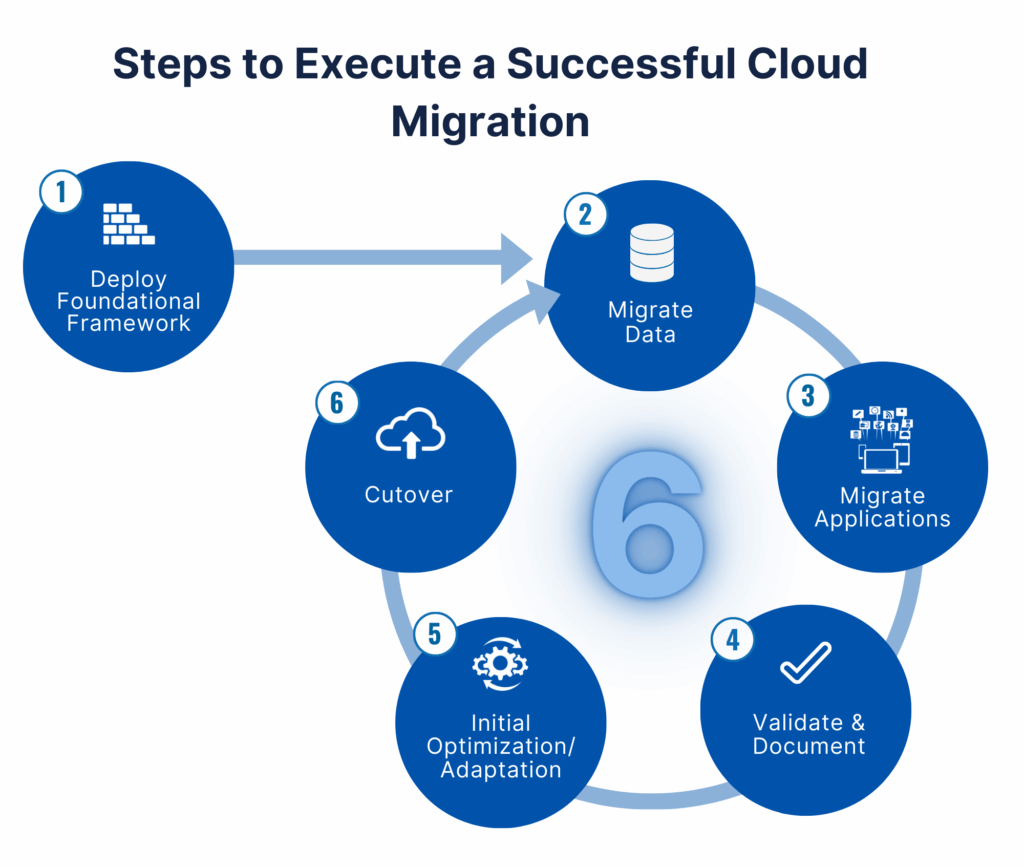
Ever feel like your website is crammed into a tiny apartment, begging for more space and speed? That's often the sign it's time to migrate hosting, and trust me, knowing the ins and outs of different hosting types can make that move feel less like a headache and more like an upgrade to a cozy house. As someone who's juggled sites for years, I've seen how picking the wrong type can trip you up mid-migration. Let's dive into the world of hosting varieties, keeping things light and straightforward, because who needs jargon when we're just trying to keep our online presence humming?
At its core, migrating hosting isn't just about switching providers; it's about understanding how various types of hosting play into that process. If you're scratching your head wondering, "What are the effective ways to handle this based on hosting options?"—well, the key lies in matching your site's needs to the right hosting flavor. For instance, shared hosting might be budget-friendly for small blogs, but it could complicate migrations if your traffic spikes. Think of it like moving from a shared dorm to a solo studio; it's smoother when you know what you're dealing with upfront. Types of hosting essentially dictate your migration strategy, influencing everything from downtime to data transfer ease.
To break it down without overwhelming you, let's explore the main types of hosting and how they tie into effective migration paths. Each one has its personality, much like friends you'd call for different adventures—one for quiet nights in, another for big parties. We'll keep this chatty and relaxed, drawing from real-world scenarios I've encountered, because nothing beats learning through stories.
Shared hosting is like that popular coffee shop everyone flocks to—affordable, accessible, and shared among many users. It's perfect for beginners or small sites, but when migration time rolls around, it can feel crowded. Imagine trying to pack up in a busy marketplace; you need to schedule carefully to avoid peak hours. In practice, migrating shared hosting often involves simple tools like cPanel transfers, which are straightforward if your new provider supports them. From my own experience, I once switched a client's blog from shared to something beefier, and the key was backing up files first—think of it as grabbing your essentials before the move van arrives. This type's biggest pro is ease, but cons include potential downtime, so plan for off-peak times to keep things seamless.
Evaluating hosting for high traffic sitesWhat's fascinating is how shared hosting's limitations can push you toward better options during migration. For example, if your site outgrows the shared space, you might discover VPS hosting's charms along the way. It's all about that evolution, like upgrading from a bicycle to a car when the road gets longer.
Stepping Up: VPS Hosting and Smarter Migration Tactics
Now, VPS hosting—virtual private servers—are the middle ground, giving you more control without the full commitment of owning a server. It's like renting a house with a private yard; you have room to customize, which makes migration more flexible. I recall a project where we migrated a growing e-commerce site from shared to VPS, and the difference was night and day. With VPS, you can use advanced tools like snapshots or cloning features, turning what could be a messy process into a precise operation. Effective ways to migrate VPS hosting include leveraging providers' migration services or scripts that automate the transfer, minimizing risks like data loss.
One quirky thing about VPS is its scalability—it's like having a home that expands as your family grows. During migration, this means you can test the waters on the new setup before fully committing, perhaps by running parallel environments. If you're into tech memes, think of it as that "upgrade" scene in movies where the hero gets superpowers just in time. But remember, with great power comes great responsibility; you'll need basic server knowledge to avoid pitfalls, like configuration mismatches that could derail your move.
Going All In: Dedicated and Cloud Hosting Options
For the big leagues, dedicated hosting means you get the whole server to yourself—no roommates, no compromises. It's ideal for high-traffic sites, but migrating it is like moving a fully furnished house; it requires careful planning. In one case, I helped a company shift to dedicated hosting, and we used professional migration tools to handle the bulk data without a hitch. Types of hosting like this demand strategies such as incremental backups and verifying hardware compatibility beforehand. On the flip side, cloud hosting offers that ethereal flexibility—services like AWS or Google Cloud let you migrate almost effortlessly, with features for automatic scaling and redundancy.
Insider tips on dedicated hostingHere's a quick comparison to visualize it all, because who doesn't love a good chart when decisions are on the line?
| Type | Best For | Migration Ease | Potential Challenges |
|---|---|---|---|
| Shared | Small sites, beginners | Simple tools, quick | Resource limits, possible downtime |
| VPS | Growing businesses | Customizable, low risk with snapshots | Requires tech know-how |
| Dedicated | High-traffic needs | Thorough planning needed | Costly and time-intensive |
| Cloud | Scalable, dynamic sites | Automated, flexible | Complex pricing, dependency on provider |
As you can see, each type of hosting brings its own migration flavor, influenced by factors like cost and control. It's not just about the switch; it's about envisioning your site's future home.
A Quick Note on Emerging Trends
In today's digital landscape, hybrids like managed WordPress hosting are popping up, blending simplicity with power. They can make migrations feel like a breeze, especially if you're dealing with content-heavy sites. I once likened it to having a personal assistant for your move—everything handled so you can focus on the excitement ahead.
Wrapping this up on a thoughtful note, have you ever considered how your hosting choice reflects your site's personality? Whether you're sticking with shared for that cozy feel or leaping to cloud for endless possibilities, the right migration can transform your online world. So, why not explore these types further and see what clicks for you? It's your site, after all—make it thrive.
Comprehensive comparison of hosting providersFAQ
What are the main types of hosting? The primary types include shared, VPS, dedicated, and cloud hosting, each offering different levels of control, cost, and scalability to suit various website needs.
How does choosing a hosting type affect migration? Different types can make migration easier or more complex; for example, cloud hosting often has built-in tools for seamless transfers, while shared might require more manual steps.
Is it worth migrating to a new hosting type? Absolutely, if your site is growing—upgrading can improve performance and security, but always weigh the costs and benefits first to ensure it's the right fit.
Key factors in choosing hosting typesSi quieres conocer otros artículos parecidos a Effective ways to migrate hosting puedes visitar la categoría Types of Hosting.
Entradas Relacionadas