
Strategies for high-availability hosting setups
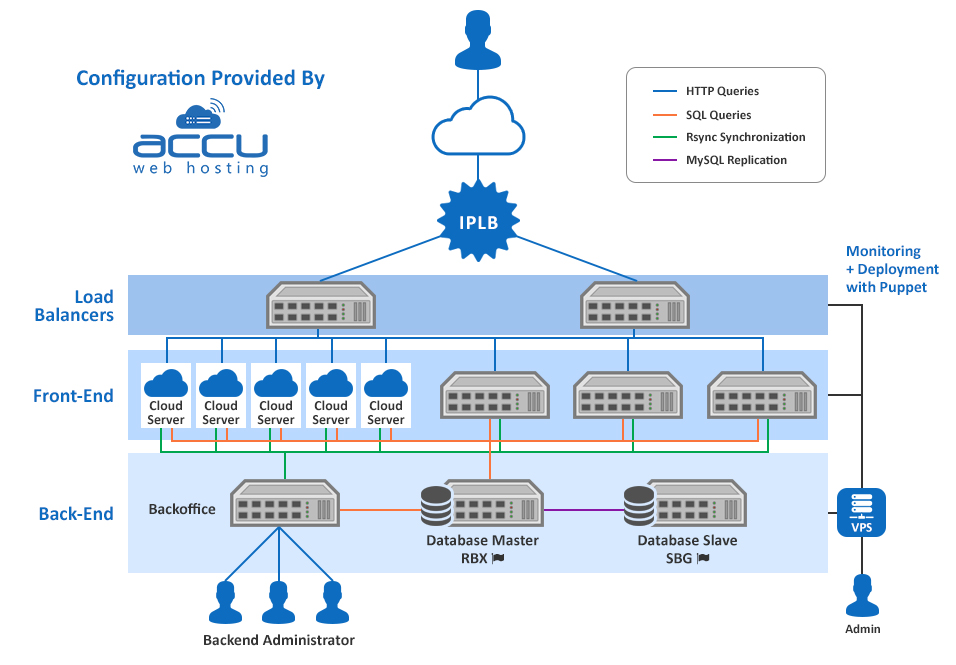
Ever had that sinking feeling when your website goes down at the worst possible moment? I know I have—picture this, my small online store crashed right during a flash sale, and let me tell you, the customer complaints were like a digital avalanche. That's what kicked off my deep dive into high-availability hosting setups, turning me from a casual web tinkerer into someone who geeks out over tools and resources that keep sites running smoothly. It's not just about avoiding downtime; it's about building a fortress for your online presence, and today, we're chatting through some relaxed strategies to make that happen.
In the world of web hosting, high-availability hosting is all about ensuring your site stays up and running, no matter what. Think of it as giving your website a safety net, so if one server trips, another jumps in seamlessly. Key strategies include using load balancers to distribute traffic, setting up redundant systems for backups, and leveraging cloud tools for automatic failover. By focusing on these, you can minimize disruptions and keep your audience happy—after all, who wants to lose visitors over a glitchy server?
Let's ease into the essentials. First off, you need to grasp why tools are your best friends in this game. High-availability isn't magic; it's a mix of smart software and hardware that work together. For instance, load balancers like NGINX or AWS Elastic Load Balancing are game-changers. They spread incoming traffic across multiple servers, preventing any single one from getting overwhelmed. Imagine your website as a busy café—without a good host, it's like having only one barista during rush hour. But with these tools, it's more like a team effort, keeping everything flowing without a hitch.
Building Redundancy with Key Hosting Tools
Okay, let's get practical. When I started piecing together my own high-availability setup, redundancy was my focus—it’s basically having backups for your backups. Tools like RAID configurations for storage ensure that if one drive fails, data isn't lost. Then there's clustering software, such as Kubernetes for container management, which lets you run multiple instances of your app across different machines. It's like having a squad of clones ready to step in if one's out sick. And don't overlook monitoring tools; services like Datadog or New Relic keep an eye on your setup 24/7, alerting you to issues before they escalate. These aren't just tech jargon; they're the everyday heroes that make hosting reliable, drawing from real-world scenarios where a quick alert saved the day during peak traffic spikes.
Ideas for green and sustainable hosting practicesOne fun analogy: Remember that meme about the internet being held together by duct tape and good intentions? Well, in hosting, it's more about sturdy tape like auto-scaling resources from providers such as Google Cloud or Azure. These platforms scale your resources up automatically when demand surges, kind of like how a pop-up market expands stalls for a big event. By integrating these, you're not just reacting to problems; you're proactively building a setup that's as chill as a weekend brunch, no matter the load.
Strategies to Keep Your Hosting Bulletproof
Now, onto the strategies themselves—let's keep it light and straightforward. Start with failover mechanisms; this is where if your primary server goes down, a secondary one takes over instantly. Tools like VRRP (Virtual Router Redundancy Protocol) make this seamless. Pair that with geographic redundancy, hosting your data in multiple locations to avoid regional outages—think of it as not putting all your eggs in one basket, but in baskets across continents. Another winner is content delivery networks (CDNs) like Cloudflare, which cache your content closer to users, reducing latency and shielding against attacks. I once used a CDN to handle a sudden viral spike on a client's site; it was like watching a superhero swoop in and save the day.
For a deeper dive, consider database replication tools such as MySQL's built-in features or MongoDB replicas. These ensure your data is mirrored across servers, so even if one crashes, your info stays intact. And hey, let's talk about cost—while these strategies sound fancy, many free or open-source resources exist, like Apache's load balancer modules, making high-availability accessible without breaking the bank. It's all about mixing and matching to fit your needs, creating a narrative where your hosting evolves from fragile to formidable.
Exploring Top Resources for Hosting Mastery
Diving into resources, there are plenty of gems out there. Sites like DigitalOcean's tutorials offer step-by-step guides on setting up high-availability clusters, perfect for beginners. Then you've got forums like Stack Overflow, where real pros share troubleshooting tips—it's like a global water cooler for web hosts. For more structured learning, check out books or courses on platforms like Coursera that cover cloud architecture. Oh, and don't forget community-driven tools; GitHub repositories for projects like HAProxy provide customizable scripts that add a personal touch to your setup.
Common misconceptions about dedicated serversTo add some variety, here's a quick comparison table of popular hosting tools, because sometimes seeing them side by side clicks better:
| Tool | Key Feature | Best For |
|---|---|---|
| AWS Elastic Load Balancing | Automatic traffic distribution | Scalable web apps |
| NGINX | High-performance proxying | Custom configurations |
| Kubernetes | Container orchestration | Complex, distributed systems |
This table isn't exhaustive, but it highlights how each tool brings something unique, helping you pick based on your setup's personality.
Wrapping Up with Best Practices and a Thought
As we wind down, remember that high-availability is an ongoing journey, not a one-and-done deal. Keep testing your setups with tools like load testers to simulate real-world stress—it's like stress-testing a bridge before opening it to traffic. By blending these strategies and resources, you're not just hosting a site; you're crafting an experience that builds trust with your users. So, what's your next move—maybe experimenting with a new tool to fortify your digital space?
FAQ: Quick Answers on High-Availability Hosting
What is the most important tool for high-availability? It depends on your needs, but load balancers like NGINX are often a solid starting point, as they distribute traffic efficiently and prevent single points of failure.
Solutions for bandwidth throttling in hostingHow much does implementing these strategies cost? Costs vary; many tools are free or open-source, but cloud-based options might run you a few dollars a month, scaling with your usage for better affordability.
Can small businesses benefit from these setups? Absolutely—starting with basic redundancy tools can make a big difference, and it's scalable, so even solo entrepreneurs can keep their sites running smoothly without overcomplicating things.
Si quieres conocer otros artículos parecidos a Strategies for high-availability hosting setups puedes visitar la categoría Hosting Tools and Resources.
Entradas Relacionadas