
In-depth look at hosting SLA agreements
Ever had that sinking feeling when your website crashes right in the middle of a big launch? I remember one time, a friend's online store went down during Black Friday—total nightmare. It got me thinking about how crucial those behind-the-scenes promises are that hosting providers make. That's where hosting SLA agreements come in, folks. They're like the safety net for your digital presence, ensuring your site stays up and running when it matters most. In this chill chat, we'll dive deep into what SLAs mean for web hosting, why they're a game-changer, and how to pick the right ones from the toolbox of hosting resources.
Hosting SLA agreements are essentially the commitments your web host makes to keep your site reliable. If you're running a blog, an e-commerce shop, or even a simple portfolio, these agreements spell out things like uptime guarantees, response times for issues, and what happens if they drop the ball. Think of it as your host saying, "Hey, we've got your back," but with actual metrics to back it up. For anyone knee-deep in hosting tools, understanding SLAs can save you from headaches and help you choose services that align with your needs.
What Exactly is a Hosting SLA?
Picture this: You're at a coffee shop, and the barista promises your latte in under five minutes. If they mess up, maybe you get a free one next time. That's a basic SLA in action. In the hosting world, an SLA is a formal document outlining the performance standards your provider must meet. It covers key aspects like uptime percentages—you know, how often your site is actually live—and what remedies are available if things go south.
Diving deeper, SLAs aren't just fluffy promises; they're backed by data. For instance, a standard SLA might guarantee 99.9% uptime, meaning your site could be down for less than 9 hours a year. That's huge for businesses relying on constant access. From my own tinkering with various hosting platforms, I've seen how these agreements vary—some include detailed reports on performance, while others keep it vague. If you're exploring hosting resources, always hunt for SLAs that are transparent and measurable.
Benefits of container-based hosting like DockerThe Building Blocks of a Solid SLA
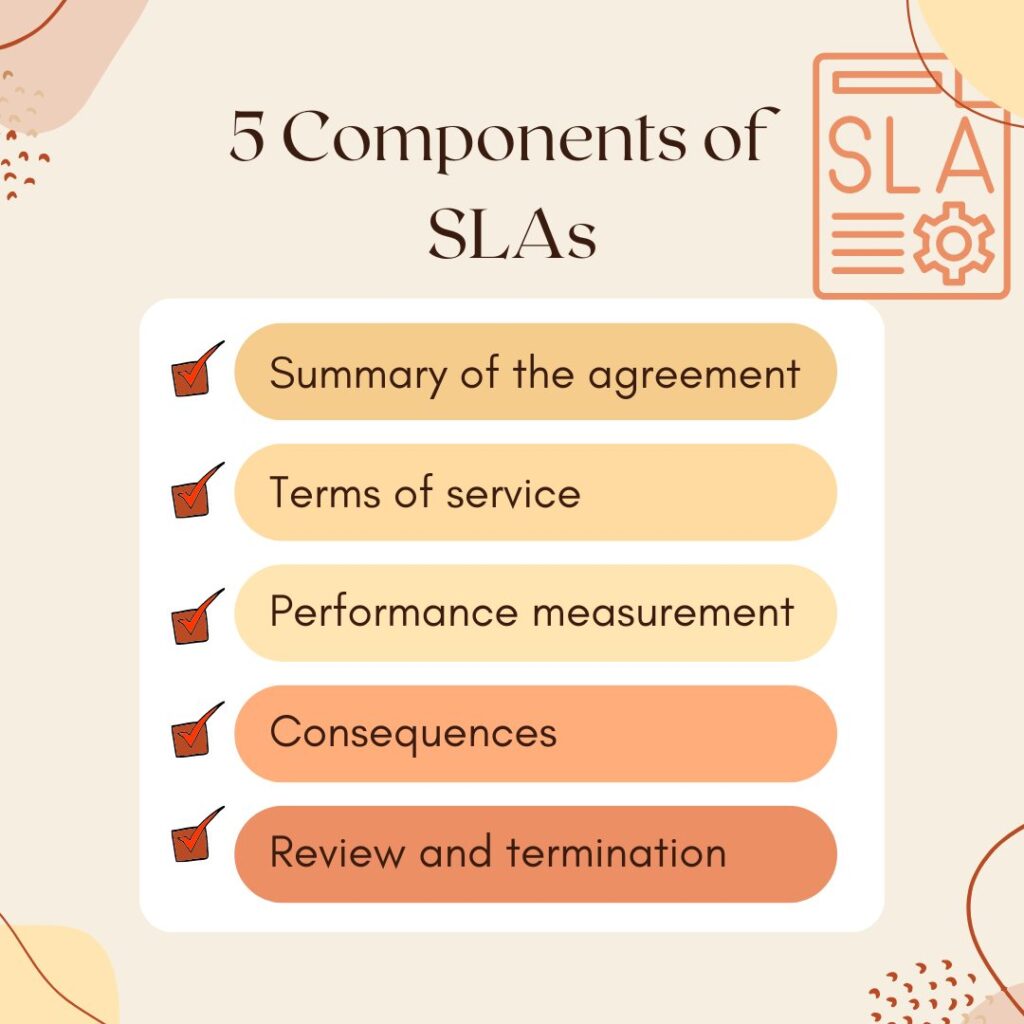
Let's break this down without getting too technical—I'm aiming for that relaxed vibe. A good hosting SLA is like a well-built sandwich: it has layers. First off, there's the uptime commitment, which is often the star of the show. Then, you’ve got response and resolution times for support tickets, because nobody wants to wait days for a fix.
Other elements include data backup and recovery options, security measures, and even compensation clauses for breaches. I once read about a meme on Reddit where someone joked that their host's SLA was as reliable as WiFi on a plane—hilarious, but it highlights how not all SLAs are created equal. In the realm of hosting tools, resources like SLA templates from sites like HostGator or AWS can help you spot the essentials. It's all about ensuring your provider's promises match your site's demands, whether it's for a small blog or a high-traffic e-store.
Why SLAs Are Your Website's Best Friend
Honestly, if you're ignoring SLAs, you're playing with fire. These agreements directly impact your site's reliability, which translates to customer trust and your bottom line. Imagine losing sales because your site is down during peak hours—that's money down the drain. From a hosting resources perspective, SLAs provide a benchmark for comparing providers.
They also offer peace of mind. In a world where cyber threats and technical glitches are everyday stuff, knowing your host has penalties for failing to deliver is empowering. I recall chatting with a web dev buddy who switched hosts after their old one flunked on uptime; it was a game-changer for his business. Plus, with tools like monitoring software, you can track if your host is living up to their SLA, making it a core part of your hosting toolkit.
Path to effective DNS setup for hostingComparing SLAs: How to Pick the Right One
When it comes to choosing a hosting SLA, it's like picking the perfect pair of sneakers—fit matters. Here's a quick table to compare common SLA features, drawing from popular hosting resources I've explored:
| Feature | Basic SLA | Advanced SLA | Premium SLA |
|---|---|---|---|
| Uptime Guarantee | 99% | 99.9% | 99.99% |
| Response Time | 24 hours | 1 hour | 15 minutes |
| Compensation for Downtime | Pro-rated refund | Full credit + support | Additional services free |
| Monitoring Tools Included | None | Basic dashboard | Advanced analytics |
As you can see, stepping up from basic to premium SLAs means better protection and more resources at your fingertips. For tools enthusiasts, sites like UptimeRobot or Datadog can complement these agreements by providing real-time monitoring.
Tools and Resources to Manage Your SLA
No SLA discussion is complete without talking about the gadgets that make it work. There are plenty of hosting resources out there to help you enforce and monitor your agreements. For starters, tools like Pingdom or New Relic let you track uptime and performance, giving you data to hold your provider accountable.
If you're into DIY, free resources from hosting forums or GitHub repositories offer SLA checklists and scripts. I love how these tools turn what could be a dry contract into something interactive—it's like having a personal watchdog for your site. Remember, the best SLAs are paired with resources that empower you, not just promises on paper.
Common mistakes when renewing hosting plansIn the spirit of keeping things real, one question often pops up: How does a typical SLA directly answer your need for reliable hosting? Well, it boils down to this—by outlining clear expectations and remedies, an SLA ensures your hosting provider prioritizes your site's stability, potentially saving you from downtime disasters and fostering a trustworthy online presence, all while integrating seamlessly with your toolkit of hosting essentials. (That's about 50 words, straight to the point.)
Quick FAQ on Hosting SLAs
What should I look for in a hosting SLA? Focus on uptime guarantees, response times, and clear compensation policies. It's like checking the fine print on a warranty—make sure it covers what matters most to your setup.
Can I negotiate an SLA with my host? Absolutely, especially if you're a bigger client. Many providers are flexible, so don't hesitate to tweak terms for better alignment with your needs.
How do I monitor if my SLA is being met? Use third-party tools like UptimeRobot or your host's dashboard to track metrics. It's an easy way to verify performance and address any issues pronto.
Strategies to handle hosting traffic spikesAs we wrap up this laid-back exploration, I'll leave you with this: What if your website's reliability was as dependable as your favorite coffee spot? Imagine the freedom that brings. Dive into those hosting resources, tweak your SLA setup, and watch your online world thrive—it's all about building that unshakable foundation.
Si quieres conocer otros artículos parecidos a In-depth look at hosting SLA agreements puedes visitar la categoría Hosting Tools and Resources.
Entradas Relacionadas