
Key factors in choosing hosting types
Ever feel like picking the right hosting for your website is like choosing the perfect coffee—there's shared, espresso (wait, that's VPS), and then those fancy lattes like dedicated servers? Yeah, I get it; it's overwhelming at first. I'm no stranger to this myself. A few years back, when I was setting up my own little online store, I dove headfirst into the hosting world and emerged wiser, but with a few headaches. Today, let's chat casually about the key factors in choosing hosting types, keeping things light and straightforward, so you can make a smart pick without the stress.
Key factors in choosing hosting types boil down to your needs, budget, and future plans. Essentially, it's about matching your website's size and traffic to the right server setup. For instance, if you're just starting a blog, shared hosting might be your best bet—affordable and easy, like renting a room in a shared house. But let's break this down further to help you navigate.
Understanding the Basics: What Hosting Types Are Out There?
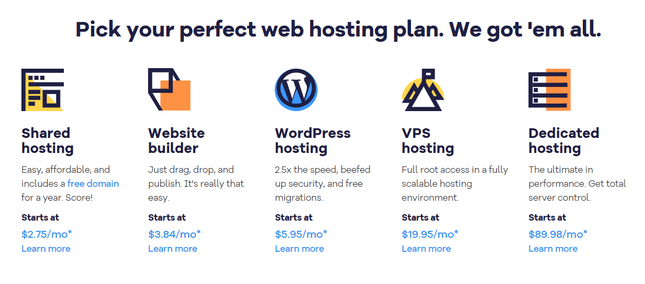
Alright, before we dive into the nitty-gritty, picture hosting as the foundation of your digital home. There are a few main players, each with its own vibe. Shared hosting is like crashing at a hostel—cheap, straightforward, and great for beginners with low-traffic sites. Then there's VPS hosting, which feels more like having your own apartment in a building; you get more control and resources without the full commitment. Dedicated hosting? That's owning the whole house—powerful, but pricey, ideal for big e-commerce sites or high-traffic beasts. And don't forget cloud hosting, the flexible one that scales like a balloon at a party, perfect for businesses with fluctuating needs.
I once tried shared hosting for a personal project, thinking it was foolproof. Spoiler: it worked fine until my site got a sudden spike in visitors, and everything slowed to a crawl. That's when I realized how important it is to think ahead. Speaking of which, one key factor is your website's expected growth. If you're planning to go viral tomorrow, starting with something scalable like cloud hosting could save you a ton of headaches later.
Avoiding pitfalls in managed servicesBudget and Cost: The Real Wallet Whisperer
Let's get real—money talks, especially in hosting. Shared hosting often starts at just a few bucks a month, making it a no-brainer for hobbyists or small blogs. But as you climb the ladder, costs ramp up. VPS might run you $20-50 monthly, while dedicated can hit hundreds. It's not just about the price tag, though; consider hidden fees like bandwidth overages or upgrades. I remember budgeting for my site and getting caught off guard by extra charges—lesson learned, always read the fine print!
Another angle is value for money. Think of it as buying shoes: you wouldn't splurge on designer kicks for a casual walk, right? Match your spend to your needs. For most folks, affordable hosting options like shared or managed WordPress hosting strike the perfect balance, offering solid performance without breaking the bank. And here's a fun fact to keep it light: did you know that some hosting providers throw in perks like free SSL certificates or website builders, turning a basic plan into a steal?
A Quick Showdown: Comparing Hosting Types Side by Side
To make this easier, let's lay it out in a simple table. Imagine we're comparing superheroes—each has strengths and weaknesses.
| Hosting Type | Best For | Pros | Cons |
|---|---|---|---|
| Shared Hosting | Blogs, small sites | Affordable, easy to use, low maintenance | Can be slow with traffic spikes, less control |
| VPS Hosting | Growing e-commerce, apps | More power and customization, better performance | Requires technical knowledge, higher cost |
| Dedicated Hosting | High-traffic sites, enterprises | Full control, top security, ultimate speed | Expensive, needs IT expertise |
| Cloud Hosting | Scalable businesses | Flexible, reliable, pay-as-you-go | Can get pricey with usage, setup complexity |
This comparison shows how key factors in choosing hosting types like control, cost, and scalability play out. It's like picking a car: a compact for city drives or an SUV for adventures. Whichever you choose, align it with your journey.
Innovative ideas for web hosting selectionPerformance and Security: The Unsung Heroes
Now, let's talk about what keeps your site running smooth and safe. Performance factors like uptime guarantees and server speed are crucial—nobody wants a site that's down more than it's up, right? Shared hosting might offer 99% uptime, but for mission-critical stuff, dedicated or cloud options shine with 99.9% or better. Security-wise, look for features like firewalls, regular backups, and DDoS protection. I had a minor scare once when my shared host got hacked; it taught me to prioritize providers with robust security from the get-go.
And here's a cultural nod: in the world of memes, hosting issues are like that friend who always ghosts you—frustrating! But seriously, factors like customer support matter too. Opt for hosts with 24/7 help, especially if you're not a tech whiz. It's all about peace of mind, making your online presence as reliable as your favorite Netflix binge.
Directly addressing the core question: When choosing hosting types, focus on your site's traffic, budget, and growth potential—start with shared for simplicity if you're new, but scale to VPS or cloud as needs grow, ensuring reliability and cost-effectiveness along the way. This approach helps avoid common pitfalls and sets you up for success without overcomplicating things.
FAQs: Quick Answers to Common Curiosities
Q1: What's the difference between shared and VPS hosting? Shared hosting shares resources with others, making it budget-friendly but potentially slower, while VPS gives you dedicated resources in a virtual environment, offering more control and speed for a bit more cash.
Resolving common shared hosting problemsQ2: Is cloud hosting worth the hype? Absolutely, if your site needs to scale quickly—like during a viral social media moment. It's flexible and reliable, but it can rack up costs based on usage, so monitor that closely.
Q3: How do I know if I need to upgrade my hosting? Signs include slow load times, frequent downtimes, or maxed-out resources. If your site is growing, it's time to chat with your provider about stepping up to something like VPS for better performance.
As we wrap up this laid-back tour of hosting types, think about how your choice could shape your online story—maybe it's time to level up that blog of yours. What if the perfect hosting is just a click away, waiting to make your digital dreams smoother than a summer breeze? Go on, explore and pick what feels right for you.
The essentials of email hosting typesSi quieres conocer otros artículos parecidos a Key factors in choosing hosting types puedes visitar la categoría Types of Hosting.
Entradas Relacionadas