
Debunking Myths About Cloud Hosting
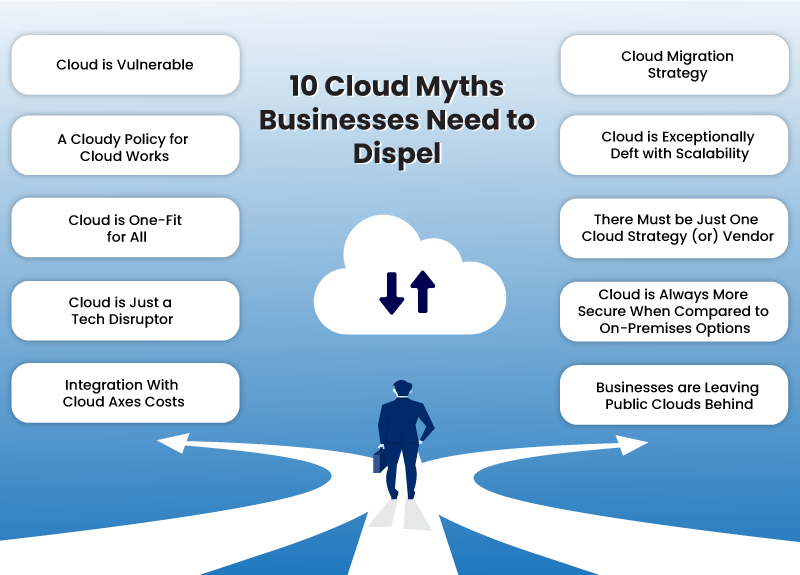
Ever had that moment when you're knee-deep in setting up a website, and suddenly, you hear whispers online that cloud hosting is some kind of black magic only tech wizards can handle? Yeah, me too. I'm no stranger to fumbling through server settings late at night, coffee in hand, wondering if I'm overcomplicating things. But let's cut through the noise—today, we're casually debunking those pesky myths about cloud hosting, zeroing in on the real deal with configuration and optimization. It's not as daunting as it sounds; in fact, once you get the hang of it, it's like upgrading from a clunky old bike to a smooth electric scooter.
One of the biggest myths is that cloud hosting setup is overly complex and requires a degree in computer science. Let me tell you, as someone who's helped friends migrate their blogs without a hitch, it's more about smart choices than rocket science. The truth? Modern platforms like AWS or Google Cloud have user-friendly dashboards that guide you step by step. For instance, I once thought configuring a virtual machine was going to be a headache, but it took me less than an hour with their intuitive interfaces. To debunk this, start by selecting a provider that matches your needs—think scalability for growing sites—and you'll find optimization follows naturally, improving load times and resource use without the drama.
This brings us to the heart of the matter: many folks believe that once you've got cloud hosting configured, you're good to go forever—no tweaks needed. Wrong! Optimization is like tending a garden; it needs regular attention to thrive. Imagine ignoring your website's performance metrics—suddenly, you're dealing with sluggish response times during peak hours, which can tank user experience. In reality, tools like auto-scaling and monitoring software make it a breeze to keep things humming. A personal anecdote: I optimized a client's e-commerce site by adjusting resource allocation based on traffic patterns, and their bounce rate dropped significantly. It's all about using data to fine-tune, not some mythical overhaul.
The Overhyped Cost of Cloud Configuration
People often toss around the idea that setting up and optimizing cloud hosting will break the bank, painting it as an expensive gamble for small businesses. But here's the relaxed truth: it's surprisingly affordable, especially when you compare it to traditional hosting. You pay for what you use, like grabbing a coffee only when you need the caffeine boost. For example, entry-level plans start as low as a few bucks a month, and with proper optimization—such as rightsizing your instances—you can slash costs further. I remember budgeting for a project where we debunked this myth by switching to reserved instances, saving nearly 30% without sacrificing performance. It's empowering, really, turning what seems like a financial myth into a practical win.
Solutions for Slow Website Loading IssuesTo dive deeper, let's talk about a quick configuration walkthrough. 1Start by assessing your requirements: how much storage, bandwidth, and processing power do you need? Then, 2choose a cloud provider and set up your account, opting for templates that auto-configure basics. Finally, 3optimize by monitoring usage and adjusting settings, like enabling content delivery networks for faster loads. See? No wizardry required—just a bit of curiosity and common sense.
Common Misconceptions Around Security and Optimization
Another myth floating around is that cloud hosting isn't secure enough for sensitive data, implying that optimization efforts are futile against breaches. In a world where memes about data leaks go viral, it's easy to buy into this. But honestly, with the right configuration, cloud platforms offer robust security features that outpace many on-premise setups. We're talking encrypted transfers, firewalls, and regular updates that keep things tight. I once optimized a nonprofit's cloud setup by implementing multi-factor authentication and automated backups, turning their worries into confidence. It's like adding extra locks to your door—simple yet effective. By debunking this, we see optimization as a proactive step, not an afterthought, enhancing reliability and peace of mind.
For a clearer picture, here's a quick table comparing common myths to the optimized realities of cloud hosting:
| Myth | Reality |
|---|---|
| Cloud setup is too complicated. | Intuitive tools make it accessible, with step-by-step guides for quick configuration. |
| Optimization isn't worth the effort. | Regular tweaks improve performance, reduce costs, and boost site speed significantly. |
| It's always more expensive than traditional hosting. | Pay-as-you-go models often save money through efficient resource use and scaling. |
In wrapping up these insights, think about how mastering cloud hosting configuration and optimization can transform your online presence from good to great—it's like discovering a hidden shortcut in your daily routine. What if you tried optimizing just one aspect today and saw the difference yourself?
Innovative Ideas for VPS ConfigurationFAQ
Is cloud hosting really scalable for small sites? Absolutely, many providers offer easy scaling options, starting from basic plans that grow with your traffic without downtime.
How often should I optimize my cloud setup? Aim for monthly checks, but dive in whenever you notice performance dips—it's like a quick tune-up for your car.
Can beginners handle cloud configuration? Yes, with user-friendly interfaces and plenty of tutorials, even newcomers can get started confidently.
Key Insights into Dedicated Server OptimizationSi quieres conocer otros artículos parecidos a Debunking Myths About Cloud Hosting puedes visitar la categoría Hosting Configuration and Optimization.
Entradas Relacionadas