
Comparative review of popular hosting control panels
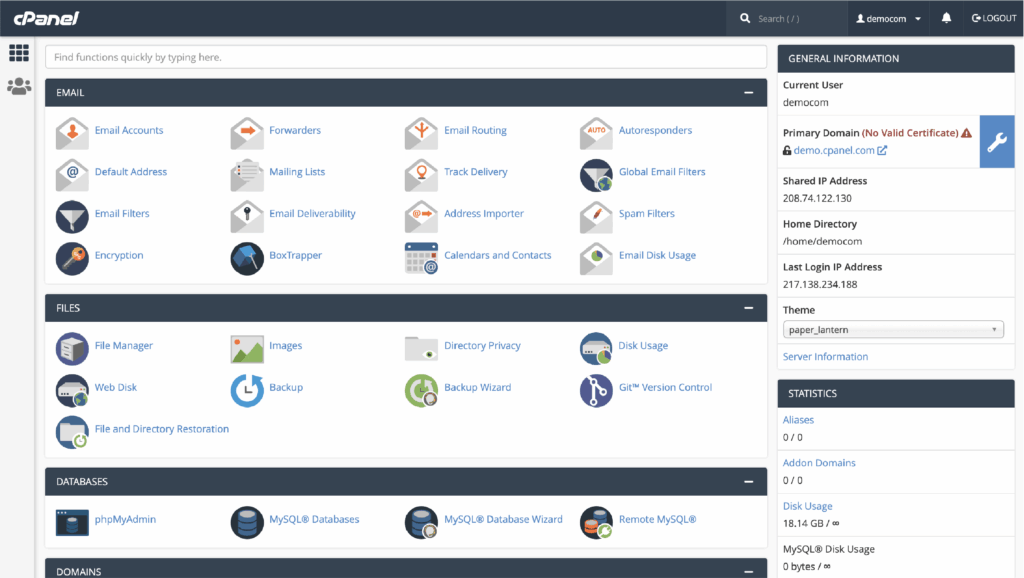
Picture this: I'm sitting at my desk, coffee in hand, staring at a brand-new website project that's supposed to go live in a few hours. But wait, the hosting setup feels like trying to navigate a maze blindfolded. That's where hosting control panels come in – they're like the trusty sidekicks that turn that chaos into a walk in the park. If you're diving into web hosting, you've probably heard of these tools, but picking the right one? That's where things get interesting. In this laid-back chat, we'll compare some of the big names in hosting control panels, sharing real insights from my own fiddling around with them, to help you decide without the headache.
Hosting control panels are essentially the dashboards that let you manage your website's server without needing to be a coding wizard. Think of them as the remote control for your online empire – from uploading files to tweaking security settings, they make everything more straightforward. If you're new to this, you might be wondering, which hosting control panel stands out in a crowded field? Well, based on ease of use, features, and overall vibe, popular choices like cPanel, Plesk, and DirectAdmin often top the lists. Each one brings its own flavor, much like choosing between a cozy coffee shop or a buzzing café for your daily brew.
Exploring the Essentials of Hosting Control Panels
Let's kick things off by getting to the heart of what makes these panels tick. From my early days managing a small blog, I remember how cPanel felt like a breath of fresh air – intuitive icons and a layout that didn't overwhelm me. It's designed for beginners, with tools for email setup, domain management, and even one-click installs for apps like WordPress. On the flip side, if you're running a more complex setup, Plesk steps in with its polished interface, offering extensions for things like Docker containers or advanced security features. I once switched to Plesk for a client site and was impressed by how it handled multiple websites seamlessly, almost like juggling without dropping a ball.
Benefits of geo-distributed hosting networksThen there's DirectAdmin, which I discovered during a budget-tight project. It's lighter on the system resources, making it a sneaky favorite for those who want efficiency without the bloat. No fancy bells and whistles here, but if you're tech-savvy and prefer a no-nonsense approach, it gets the job done. When it comes to comparative review of popular hosting control panels, it's all about matching your needs – are you a solo blogger or managing a fleet of sites? That's the real question that can guide your choice.
Diving into Features and User Experiences
One thing I love about comparing these tools is how they each shine in different scenarios. Take cPanel, for instance; it's got this massive library of add-ons, perfect for everyday tasks like backups or SSL certificates. I recall a time when a sudden traffic spike hit my site, and cPanel's resource monitoring saved the day by letting me scale up quickly. Plesk, however, edges ahead with its cross-platform support – it works on Windows and Linux, which is a game-changer if you're dealing with diverse server environments. And let's not forget DirectAdmin's speed; it's like the sports car of control panels, ideal for high-performance needs without the hefty price tag.
But hey, nothing's perfect. cPanel can feel a bit outdated visually, and some users complain about its resource demands on shared hosting. Plesk might offer more power, yet it comes with a higher cost that could sting for startups. DirectAdmin? It's straightforward, but if you're after a ton of integrations, you might find it lacking compared to the others. In my experience, blending in a bit of humor helps – imagine Plesk as that reliable friend who's always prepared, while cPanel is the fun one at the party. For a direct answer to your search: When comparing hosting control panels, cPanel excels for ease and community support, Plesk for versatility in enterprise settings, and DirectAdmin for lightweight efficiency – ultimately, pick based on your site's scale and budget, as each offers unique strengths for managing web resources effectively. That's about 50 words of straight talk to cut through the noise.
Path to selecting reliable hosting partnersA Quick Look at the Pros and Cons
Here's where we get a little analytical, but I'll keep it relaxed. Let's break down the pros and cons with a fresh eye. cPanel: Pro – User-friendly for newcomers; Con – Can be pricey for advanced features. Plesk: Pro – Excellent for agencies with its multi-user setup; Con – Steeper learning curve if you're not familiar with it. DirectAdmin: Pro – Affordable and fast; Con – Fewer built-in tools out of the box. To make this pop, I've whipped up a simple comparison table that captures the essence without overwhelming you.
| Feature | cPanel | Plesk | DirectAdmin |
|---|---|---|---|
| Ease of Use | High – Intuitive interface | Medium – Feature-rich but complex | High – Simple and clean |
| Pricing | Moderate to High | High | Low |
| Best For | Beginners and shared hosting | Businesses and resellers | Budget-conscious developers |
This table isn't just filler; it's a real helper for visualizing how these panels stack up in the world of hosting resources. Remember, tools like these are more than just software – they're your daily companions in building online presence.
Wrapping Up with a Personal Twist
Avoiding overpaying for unnecessary hosting featuresAs we ease out of this comparison, I can't help but think about how choosing the right control panel is like picking the perfect pair of shoes for a long hike – it has to fit just right. Whether you're leaning towards cPanel's familiarity or Plesk's robustness, give it a test run on a trial account first. And if you're still on the fence, why not share your own hosting horror stories in the comments? It might just spark the next great debate on web tools.
Frequently Asked Questions
What's the best hosting control panel for beginners? For newcomers, cPanel is often the go-to because of its straightforward design and helpful tutorials, making site management feel less intimidating right from the start.
How do these panels affect website performance? They don't directly impact speed, but options like DirectAdmin can run lighter on servers, potentially improving overall efficiency without bogging down your resources.
Can I switch between control panels easily? It's possible but can be tricky, involving data migration, so it's wise to plan ahead and maybe consult your hosting provider to avoid any downtime surprises.
Smart strategies for hosting scalability needsSi quieres conocer otros artículos parecidos a Comparative review of popular hosting control panels puedes visitar la categoría Hosting Tools and Resources.
Entradas Relacionadas