
Best Practices for Domain Security Measures
Ever had that sinking feeling when you realize your website's been hijacked, and all because you skimped on locking down your domain? Yeah, me too—back when I first dabbled in building sites, I thought slapping a domain name together was as straightforward as ordering pizza. But oh boy, was I wrong. It's like forgetting to lock your front door in a sketchy neighborhood; one slip-up, and you're dealing with digital intruders. Today, we're diving into the best practices for domain security measures, keeping things chill and straightforward, because who needs jargon when we're just trying to keep our online spots safe?
At its core, domain security is about shielding your website from threats like phishing, hijacking, or DNS spoofing—stuff that can turn your online presence into a headache. In about 50 words: To protect your domain effectively, focus on using strong registration practices, enabling DNSSEC, monitoring for irregularities, and employing HTTPS everywhere. These steps build a robust barrier against cyber risks, ensuring your site's integrity and user trust remain intact.
Let's ease into this. Picture your domain as the address of your digital home. Without proper security, it's like leaving the keys under the mat for anyone to grab. From my early mishaps, I learned that domains aren't just strings of letters; they're gateways that need vigilant guarding. So, what are the big threats lurking out there? Well, cybercriminals might try to steal your domain through social engineering or exploit DNS vulnerabilities to redirect traffic. It's not always high-tech wizardry; sometimes, it's as simple as a weak password or an expired registration slipping through the cracks.
Grasping the Basics of Domain and DNS Vulnerabilities
Okay, let's not overwhelm ourselves. First off, understand that DNS—your Domain Name System—is like the internet's phonebook, translating easy-to-remember addresses into machine-readable IP numbers. But if it's not secured, attackers can manipulate it, leading to scenarios where users end up on fake sites instead of yours. Think of it as a game of telephone gone wrong. A key player here is DNSSEC, which adds a layer of authentication to prevent tampering. In my experience, starting with a solid grasp of these basics makes everything else click into place, like finally getting that puzzle piece you were missing.
Resolving Name Server Conflicts SwiftlyAnother angle? Domains can be vulnerable during registration. Ever heard of domain squatting? It's when someone snaps up a similar name to yours and holds it hostage. To counter this, always opt for registrars with two-factor authentication and WHOIS privacy. It's a small step, but it feels like putting up a "No Trespassing" sign on your property. And hey, mixing in some cultural refs, it's reminiscent of how ancient cities had walls—basic but effective against invaders.
Step-by-Step: Locking Down Your Domain Like a Pro
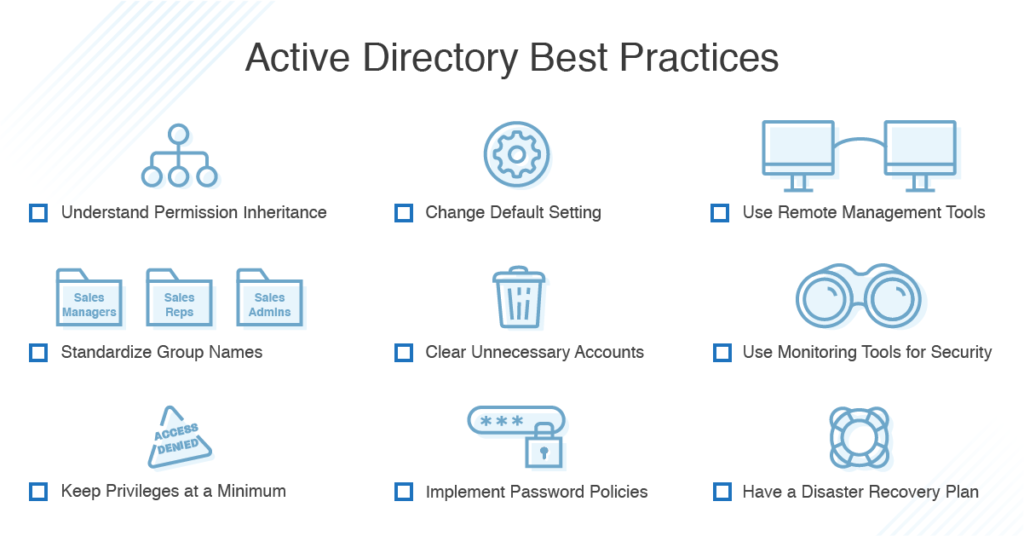
Now, let's get practical. Implementing best practices for domain security doesn't have to be a chore. Start with these relaxed steps to fortify your setup:
1Choose a reputable registrar and enable multi-factor authentication. This is your first line of defense, making it tougher for hackers to hijack your account—think of it as needing both a key and a secret handshake to enter.
2Set up DNSSEC on your domain. It's like adding a digital signature to your DNS records, verifying that the information hasn't been altered en route. I remember the relief when I activated this; it's that warm, fuzzy feeling of knowing your data's legit.
Differences Between DNS Hosting Services3Regularly monitor and audit your domain settings. Tools like Google Domain or Cloudflare can alert you to changes, much like having a neighborhood watch for your online turf. Don't skip this—it's the equivalent of checking your locks before bed.
4Enforce HTTPS with SSL certificates. This encrypts data between your site and visitors, preventing man-in-the-middle attacks. It's straightforward with services like Let's Encrypt, and it gives your site that secure padlock icon—pure peace of mind.
Comparing DNS Security Options: A Quick Rundown
To make things even clearer, here's a simple table comparing popular DNS security features. It's not exhaustive, but it highlights why you might pick one over another based on your needs.
| DNS Provider | Key Features | Pros | Cons |
|---|---|---|---|
| Cloudflare | DNSSEC, DDoS protection, free tier available | Easy setup, robust against attacks, integrates well with other tools | Can be overwhelming for beginners |
| Google Cloud DNS | Automatic DNSSEC, high availability | Scalable and reliable, ties into Google ecosystem | Pricing might add up for larger sites |
| Amazon Route 53 | Advanced routing, DNSSEC support | Seamless with AWS, highly customizable | Requires AWS knowledge, potentially costly |
This comparison shows that while Cloudflare is great for newcomers with its user-friendly vibe, power users might lean towards Amazon for that extra customization. It's all about matching your setup to your comfort level, like picking the right coffee—strong or mild?
Overlooked Aspects of Domain OwnershipPitfalls to Sidestep in Your DNS Journey
Even with the best intentions, mistakes happen. One common slip is neglecting to renew domains on time, which can lead to ownership lapses—imagine losing your house keys forever. Or, overlooking subdomains, which are often soft targets for attacks. From a personal angle, I once forgot to secure a subdomain, and it turned into a minor cyber incident. Lesson learned: Treat every part of your domain family with the same care. And let's not forget the rise of memes like "DNS drama," where folks joke about resolution fails—it's a lighthearted way to remember that security isn't just technical; it's about staying alert in our connected world.
A Quick Dive into Advanced Tips
For those wanting to go deeper, consider implementing DMARC for email authentication tied to your domain. It's like adding an extra bouncer at the door for your communications. Or, use monitoring services that scan for phishing attempts. These aren't overkill; they're the smart moves that keep your setup bulletproof without turning you into a tech hermit.
As we wrap up this laid-back tour of domain security measures, think about how these practices aren't just checkboxes—they're habits that safeguard your digital legacy. What's your next move? Maybe audit that domain you've been ignoring. Either way, here's to building a safer online world, one secure setup at a time.
FAQ: Quick Answers to Common Queries
What is DNSSEC and why should I use it? DNSSEC is a protocol that adds security to the Domain Name System by ensuring the authenticity of DNS data, preventing things like cache poisoning. It's essential for protecting against man-in-the-middle attacks and should be a staple in your security toolkit.
Strategies for Domain Flipping SuccessHow often should I check my domain security? Aim for at least monthly checks, but if you're running a high-traffic site, weekly monitoring is smarter. This helps catch any irregularities early, much like regular health check-ups for your online presence.
Can small businesses afford good domain security? Absolutely! Many tools, like free SSL certificates and basic DNSSEC, are cost-effective or even free, making robust security accessible without breaking the bank.
Si quieres conocer otros artículos parecidos a Best Practices for Domain Security Measures puedes visitar la categoría Domain and DNS Guides and Tutorials.
Entradas Relacionadas