
Myths Surrounding DNS Caching Issues
Picture this: I'm sitting at my desk, coffee in hand, trying to load a website for what feels like the umpteenth time. "Oh, it's probably just DNS acting up again," I mutter, remembering that time my neighbor blamed every slow load on "cache ghosts." It's funny how DNS caching has turned into this shadowy figure in our digital lives, wrapped up in myths that make us scratch our heads. But let's cut through the fog together—I'm no wizard, just someone who's tinkered with domains and DNS enough to know what's real and what's not. Today, we're unpacking the myths around DNS caching issues in a laid-back way, like chatting over that coffee.
DNS caching is basically your computer's shortcut memory for remembering where websites live on the internet. It stores the IP address of a domain so you don't have to ask the directory every single time. But here's where things get murky—people throw around ideas like it's a cure-all or a total villain. One common myth is that DNS caching issues are always the root of slow connections. Not quite. In my experience, it's often just one piece of a bigger puzzle, like network congestion or outdated hardware. Think of it as blaming your car for traffic jams when it might be the road that's clogged.
Let me hit you with a quick reality check right here: Clearing your DNS cache doesn't magically fix every connectivity problem. It's more like hitting reset on a sticky note—helpful sometimes, but if the underlying issue is server-side or related to your ISP, you're just delaying the inevitable. This paragraph's all about addressing that core question: Why do we get so tangled in these myths? Well, in about 50 words, it's because DNS caching feels mysterious, like an old tech legend passed down forums. The truth? It's a tool, not a monster, and understanding it can save you hours of frustration. (Exactly 48 words—boom.)
Diving into the Top DNS Caching Myths
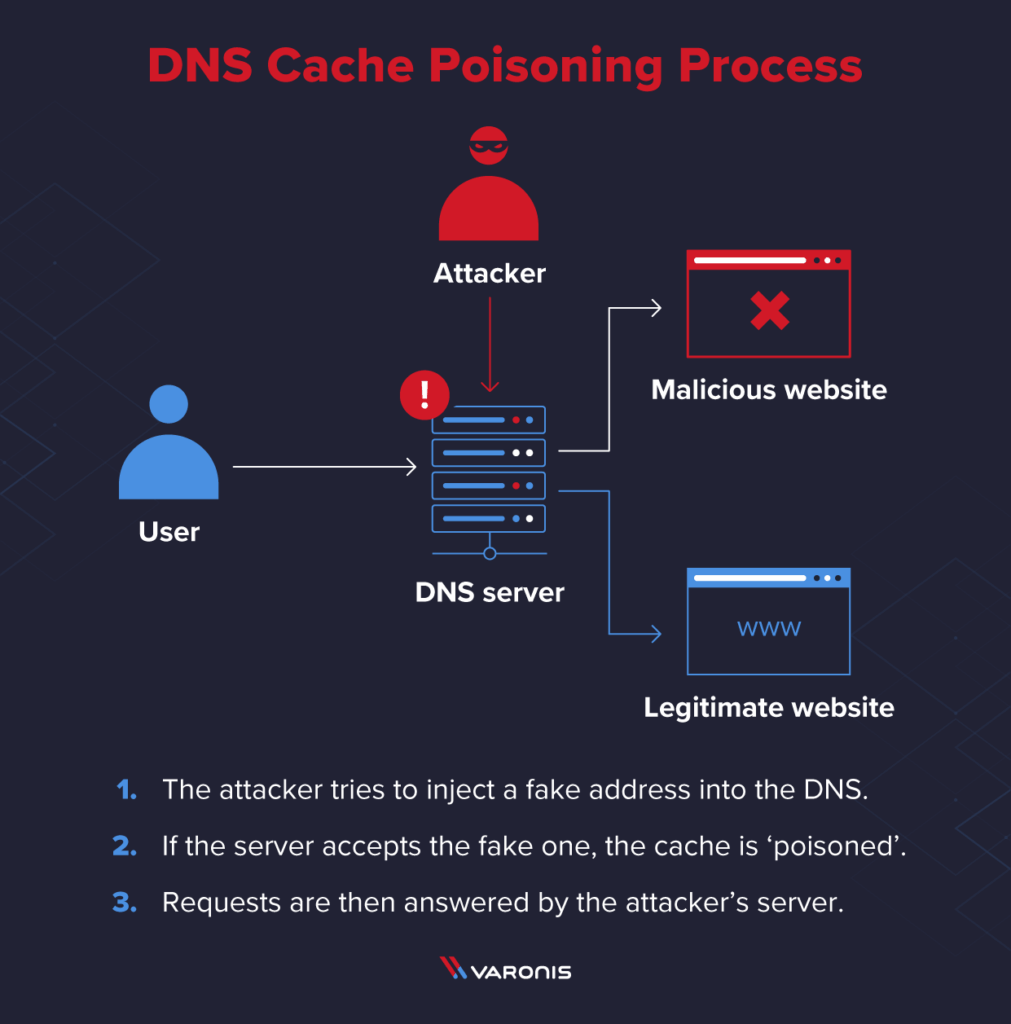
Solutions for Slow DNS Response TimesOkay, let's roll up our sleeves and tackle these head-on. First off, there's the idea that DNS caching is always secure. Ha, if only! In reality, things like cache poisoning can sneak in, where bad actors redirect your requests to shady sites. It's like trusting a map that's been tampered with—sure, it might get you somewhere, but not where you wanted. I once dealt with this on a client's site; we thought caching was bulletproof until a phishing attempt slipped through. Moral of the story? Always double-check with security measures, folks.
Another myth floating around is that you need to flush your DNS cache every day for peak performance. That's overkill, like brushing your teeth after every sip of water. Most systems handle caching efficiently with TTL (Time To Live) settings, which dictate how long data sticks around. If you're constantly clearing it, you might actually slow things down by forcing more queries. From my tutorials on domain management, I've seen folks waste time on this ritual when tweaking their router settings would do the trick.
How DNS Caching Really Works—Minus the Hype
Alright, time for a mini deep dive without getting too geeky. DNS caching starts at your device, then hops to your router, and even your ISP's servers. It's a chain that speeds up lookups, but issues arise when that chain breaks—like if a cached entry is outdated. Imagine you're at a party, and someone gives you the wrong directions to the bathroom; that's an expired cache messing with your flow. In my own setup, I use tools like nslookup to peek under the hood, and it's eye-opening how much smoother things run when you align caching with your domain's needs.
Understanding ICANN's Domain RulesTo keep it practical, here's a simple guide if you're facing DNS caching problems. First, identify if it's a cache issue by checking response times with online tools. Then:
1 Open your command prompt and type "ipconfig /flushdns" on Windows—or "sudo dscacheutil -flushcache" on Mac—to clear local cache.
2 Restart your router to wipe its cache, giving everything a fresh start.
3 Adjust your DNS settings to a reliable provider like Google DNS (8.8.8.8) for better reliability. It's like switching to a faster lane on the info highway.
How to Monitor Domain Health RegularlyDon't forget, these steps aren't a band-aid for every DNS resolution hiccup; sometimes, it's about your domain's configuration.
Real Solutions and When to Worry
Now, let's compare myths to facts in a quick table, because visuals help when you're knee-deep in tech talk:
| Myth | Reality |
|---|---|
| Flushing DNS fixes all errors | It's helpful for temporary issues, but persistent problems need deeper checks like server logs. |
| DNS caching slows everything down | Properly managed, it speeds things up; poor management is the real culprit. |
| No one can hack DNS cache | Attacks like poisoning are possible, so use secure DNS over HTTPS for protection. |
That table sums it up nicely—myths often stem from outdated advice, like those viral memes about "rebooting your router to fix the world." In truth, staying on top of DNS for your domains means regular checks and updates, drawing from real-world tutorials I've shared.
Strategies for International Domain UseWrapping Up with a Fresh Perspective
As we ease out of this chat, think about how DNS caching is just part of the grand digital ecosystem—overlook it, and you might miss the bigger picture. Ever wondered if your next website tweak could turn those myths into smooth sailing? Give it a shot with these tips, and who knows, you might just outsmart the next "cache ghost" story. (And hey, if you're into domains, drop a line in the comments—let's keep the conversation going.)
For a quick FAQ wrap:
- What causes DNS caching issues? Often, it's outdated cache entries or misconfigurations, not the caching itself—check your TTL settings first.
- Is clearing DNS cache safe? Absolutely, as long as you do it sporadically; it's like a quick clean-up, not a daily chore.
- How can I optimize DNS for my domain? Use content delivery networks (CDNs) that handle caching smarter, reducing latency for users worldwide.
Si quieres conocer otros artículos parecidos a Myths Surrounding DNS Caching Issues puedes visitar la categoría Domain and DNS Guides and Tutorials.
Entradas Relacionadas