
In-Depth Look at Hosting Migration Processes
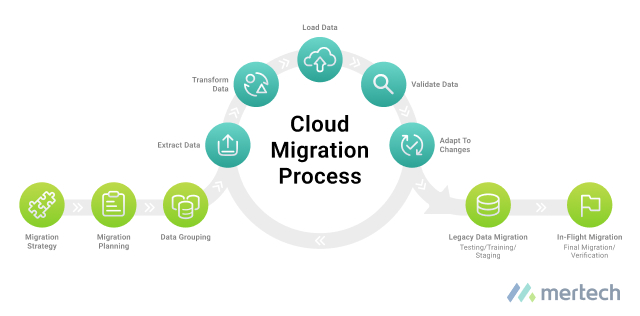
Ever tried packing up your entire life and moving to a new place, only to realize halfway through that you've forgotten the Wi-Fi password? That's kinda how hosting migration feels for your website—chaotic at first, but oh so rewarding once you're settled in. I'm no stranger to this; last year, I juggled shifting my blog from one server to another, and let me tell you, it was like upgrading from a cozy studio apartment to a spacious house with faster internet. In this laid-back chat, we'll dive into the ins and outs of hosting migration processes, focusing on setup and tweaks to keep your site humming smoothly. Stick around, and you'll walk away with practical tips that feel more like friendly advice than a tech manual.
Alright, let's cut to the chase: if you're wondering how to seamlessly migrate your hosting without losing data or scaring off visitors, it boils down to a thoughtful plan that balances configuration and optimization. In about 45 words, here's the gist—hosting migration is essentially transferring your website's files, databases, and settings to a new server while fine-tuning for better speed and security, ensuring minimal downtime and peak performance post-move. Think of it as giving your site a fresh start without the moving truck headaches.
Now, picture this: you're not just flipping a switch; hosting migration is like replanting a garden. You have to dig up the roots carefully, transport them, and then enrich the soil for better growth. That's where configuration comes in—it's the foundation that makes sure everything plugs in right. Start by evaluating your current setup. Is your site on shared hosting, VPS, or dedicated servers? Each has its quirks; for instance, shared hosting might be budget-friendly but slower, while VPS offers more control. Once you've picked a new provider, double-check compatibility—things like PHP versions, SSL certificates, and database types need to match up to avoid glitches. I remember when I overlooked a simple PHP update during my migration; it turned a smooth afternoon into a frantic debug session, teaching me the value of double-checking every detail.
Breaking Down the Initial Configuration Steps
Let's keep it real and walk through this step by step, because who has time for overwhelming lists? First off, back up everything—your files, emails, and databases. Use tools like cPanel backups or plugins such as Duplicator if you're on WordPress; it's like wearing a safety net while tightrope walking. Once secured, set up your new hosting account. This involves creating a new database, uploading your files via FTP or the provider's interface, and configuring DNS settings to point to the fresh server. Here's a quick format to make it digestible:
Evaluating Hosting for Ecommerce Sites1Backup your entire site to prevent data loss—think of it as packing your essentials before the big move.
2Install necessary software on the new server, like updating PHP or setting up SSL, to ensure compatibility.
3Test the migration in a staging environment first—it's like a dress rehearsal that catches issues before the live show.
And don't forget, tools like SiteMinder or even manual methods can speed things up, but they each have their pros and cons. To give you a clearer picture, here's a simple comparison table of migration approaches:
Preventing Downtime with Proper Configuration| Method | Pros | Cons | Best For |
|---|---|---|---|
| Manual Migration | Full control and customization; costs nothing extra | Time-consuming and error-prone | Small sites or tech-savvy users |
| Automated Tools (e.g., plugins) | Quick and reduces downtime; user-friendly | May miss custom configurations; potential for conflicts | Beginners or larger sites needing speed |
Optimizing Your Hosting Post-Migration
Okay, you've made the jump—now it's time to optimize. This isn't just about speed; it's about making your site resilient, like upgrading your car's engine for a smoother ride. Start with server optimization: tweak caching settings to load pages faster, enable compression for quicker downloads, and monitor resource usage to avoid bottlenecks. If you're into WordPress, plugins like WP Rocket can automate much of this, turning what could be a tedious chore into a set-it-and-forget-it win. I once optimized a client's e-commerce site after migration, and their bounce rate dropped by 20% just by fine-tuning image sizes and enabling HTTPS everywhere—small changes with big impacts, you know?
But let's get a bit deeper. Hosting configuration also means securing your setup against threats. Update firewalls, set strong passwords, and regularly scan for vulnerabilities. And here's a fun twist inspired by that viral meme about "keeping it secure in 2024"—treat your server like your social media profile: lock it down with two-factor authentication and limit access to trusted IPs. It's all about building that digital fortress without overcomplicating things.
Overcoming Common Challenges in the Process
No migration is perfect; there are always bumps, like when I dealt with email glitches that had me scratching my head for hours. The key is anticipating issues—downtime can frustrate users, so schedule migrations during off-peak times and use redirection tools to guide traffic smoothly. Also, watch for SEO drops; ensure your URLs and metadata transfer correctly to maintain search rankings. It's like moving houses but remembering to forward your mail so nothing gets lost in the shuffle.
Tools and Best Practices for Long-Term Success
To wrap up the heavy lifting, lean on reliable tools like CloudFlare for CDN services or GTmetrix for performance audits. Best practices? Keep everything updated and monitor logs regularly—it's the equivalent of regular check-ups for your site's health. And if you ever feel overwhelmed, remember, even pros started somewhere; a quick forum dive or community thread can offer that "aha" moment.
Unconventional Tips for Hosting TweaksAs we ease out of this, think about how your online space could thrive with a little reconfiguration—ready to give it a go and see what new heights your site can reach? Maybe it's time to hit that migration button and unlock faster, safer hosting.
FAQ
What is hosting migration exactly? It's the process of moving your website from one server to another, including transferring files and settings, to improve performance or cut costs—done right, it's seamless and boosts your site's efficiency.
How long does hosting optimization take after migration? It varies, but with the right tools, you can see improvements in a few hours; focus on quick wins like caching for immediate speed gains, then fine-tune over days.
Is it worth migrating for better optimization? Absolutely, if your current setup lags; modern hosting often includes advanced features that enhance speed and security, making it a smart move for growing sites.
Analyzing Hosting Bandwidth NeedsSi quieres conocer otros artículos parecidos a In-Depth Look at Hosting Migration Processes puedes visitar la categoría Hosting Configuration and Optimization.
Entradas Relacionadas