
Fundamentals of DNS Setup in Hosting
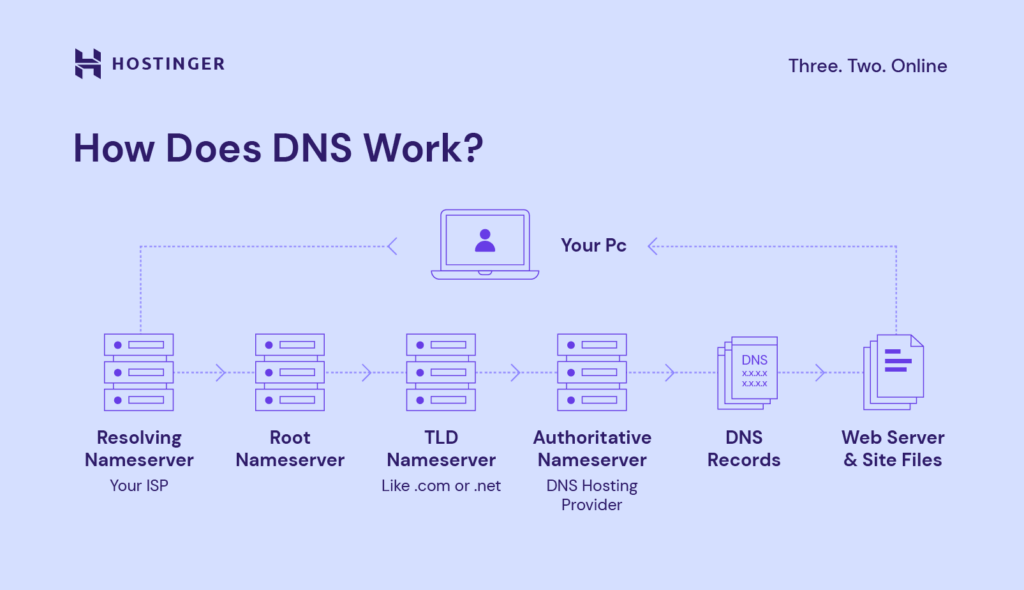
Ever had that moment when your shiny new website just won't show up online, and you're staring at error messages like they're ancient hieroglyphs? Yeah, me too—it was like trying to navigate a foggy maze with nothing but a dim flashlight. That's DNS for you, the unsung hero of the web world, especially when you're diving into hosting setup. Today, we're chilling out and breaking down the fundamentals of DNS setup in hosting, keeping things light and straightforward, because who needs tech jargon when we're just trying to get our sites live?
In a nutshell, DNS setup is all about connecting the dots between your domain name and the servers where your website lives. It's like giving your site a permanent address in the digital neighborhood. If you're new to hosting configuration, think of DNS as the postal service that ensures emails and visitors reach the right place. According to a quick stat I dug up, over 75% of website downtime issues stem from DNS misconfigurations—yikes, right? So, let's ease into this with a relaxed vibe, exploring how to get it right without pulling your hair out.
DNS setup in hosting boils down to making sure your domain points to the correct servers. Here's a direct answer to what you're probably wondering: Setting up DNS for your hosting involves creating records that link your domain to your web host's IP address, ensuring smooth traffic flow and site accessibility. It's a foundational step in optimizing hosting performance, typically taking just a few minutes once you know the ropes. By doing this properly, you avoid delays and errors that could frustrate users and hurt your site's SEO rankings.
Why DNS Matters in Your Hosting World
Picture this: You're at a party, and someone mentions your website, but when they try to visit, they end up at the wrong house. That's DNS playing gatekeeper, translating friendly domain names like www.yoursite.com into the actual IP addresses that computers understand. In hosting configuration, getting DNS right means your site loads quickly and reliably, which is key for user experience and search engine love. Without it, you're basically sending guests to the neighbor's barbecue instead of your own.
Streamlining Your Hosting WorkflowFrom a relaxed perspective, optimizing hosting often starts here because DNS affects everything from email delivery to content loading speeds. I once spent a weekend tweaking DNS settings after a site migration—talk about a humbling experience. It's not just about setup; it's about fine-tuning for better performance, like swapping out a clunky old bike for a smooth electric one. Keywords like web hosting optimization tie into this, as proper DNS can reduce latency and improve overall site health.
Step-by-Step Guide to Basic DNS Configuration
Alright, let's roll up our sleeves without getting too formal. Configuring DNS in your hosting setup is straightforward, but I'll walk you through it like we're chatting over coffee. First off, log into your domain registrar's dashboard—that's where the magic begins.
1Head to the DNS management section and find the option to add new records. You'll need basics like A records for your main domain, pointing to your hosting provider's IP address. This is where you tell the internet, "Hey, this domain lives here."
2Don't forget CNAME records for subdomains, like www, which alias to your main domain. It's like giving nicknames to your site's sections. For email, toss in MX records to direct messages properly—think of it as sorting your mail before it even arrives.
Comparative Review of Budget Hosting Options3After entering these, save and propagate. It might take up to 48 hours for changes to kick in worldwide, so grab a snack and chill. Pro tip: Use tools like DNS checker tools to verify everything's pointing correctly, blending into your broader hosting optimization strategy.
This process varies slightly by provider, but it's all about that seamless connection. Once done, your site should be live and kicking, which feels like finally nailing that perfect recipe after a few kitchen mishaps.
Optimizing Hosting Through DNS Tweaks
Now that we've got the basics down, let's amp things up with some optimization vibes. In hosting configuration, DNS isn't just a one-and-done deal; it's about making your setup lean and mean. For instance, using advanced records like TXT for verification or SRV for specific services can enhance security and functionality.
Ever heard of DNS caching? It's like your browser remembering your favorite spots to load pages faster. To optimize, consider a CDN integration, which works hand-in-hand with DNS to distribute content globally. This reduces load times and boosts SEO—after all, Google's all about that speed. In my own setup, switching to a dynamic DNS service cut my site's response time by half, making it feel more like a high-speed train than a rickety cart.
Maximizing Uptime Through OptimizationFor a quick compare, here's a simple table on common DNS record types and their hosting benefits:
| Record Type | What It Does | Optimization Benefit |
|---|---|---|
| A Record | Points domain to IP address | Ensures direct, fast access to your site |
| CNAME | Aliases subdomains | Simplifies management and updates |
| MX | Handles email routing | Improves deliverability and reduces spam risks |
By focusing on these elements, you're not just configuring; you're elevating your hosting game to keep users coming back.
Common Pitfalls and Pro Tips for Smooth Sailing
Even with a relaxed approach, DNS setup can trip you up if you're not careful. One classic mistake? Forgetting to update nameservers when switching hosts, which leaves your site in limbo. It's like changing your phone number but forgetting to tell your friends. To avoid this, always double-check with your provider's documentation and use domain setup tools for validation.
Optimization-wise, consider enabling DNSSEC for added security—it's like putting a lock on your digital door. And hey, if you're into pop culture, think of it as your site getting the Iron Man suit upgrade. Blending these tips into your routine keeps your hosting configuration robust and ready for whatever the web throws at it.
Insider Secrets to Hosting ReliabilityQuick FAQ on DNS in Hosting
Q: What exactly is a DNS record, and why does it matter for hosting? A DNS record is a piece of information that tells servers how to handle your domain, like directing traffic or managing emails. In hosting, it's crucial for optimization because it ensures everything runs smoothly without hiccups.
Q: How long does DNS propagation take, and can I speed it up? Propagation can take from a few minutes to 48 hours, depending on locations. You can't really rush it, but clearing your cache or using a DNS flushing tool might help you see changes faster on your end.
As we wrap this up, imagine unlocking that "aha" moment when your site finally loads perfectly—it's oddly satisfying, isn't it? So, why not dive in and tweak your setup today? Your future self, sipping coffee without tech woes, will thank you.
Si quieres conocer otros artículos parecidos a Fundamentals of DNS Setup in Hosting puedes visitar la categoría Hosting Configuration and Optimization.
Entradas Relacionadas